

 Audi
Audi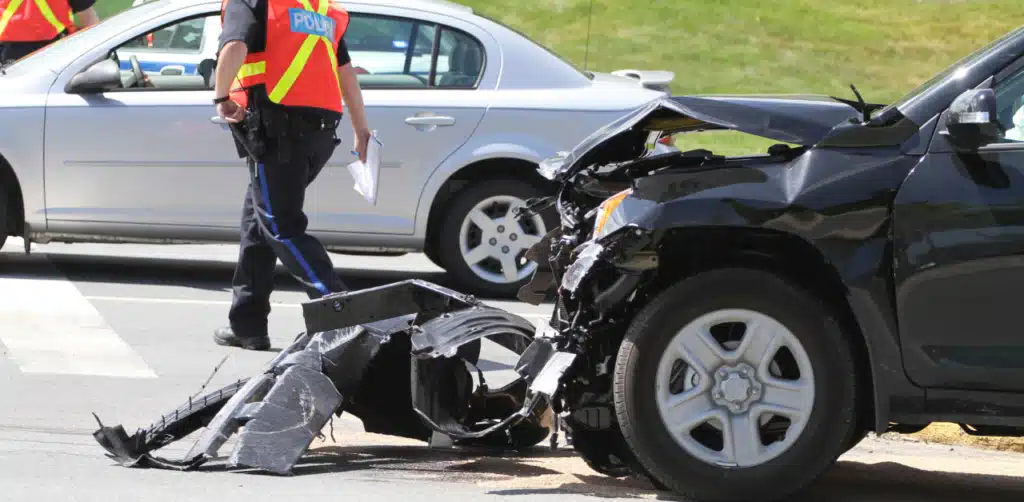
You just filed a claim after a car accident in Las Vegas, and the insurance company’s repair estimate comes back hundreds — sometimes thousands — of dollars lower than what the body shop is telling you. Sound familiar?
You’re not alone, and more importantly, you’re not wrong to be skeptical.
This happens to Nevada drivers every single day, and understanding why it happens is the first step to making sure your vehicle actually gets fixed right.
Why Insurance Estimates Almost Always Come in Low
When an insurance adjuster writes up your estimate, they’re often working from limited information — a few photos from a mobile app, a quick visual inspection, or a drive-by look at the exterior. They’re not a trained collision technician, and they’re not taking your bumper apart.
The problem? Modern vehicles hide a lot of damage behind panels, brackets, and structural components that are completely invisible until someone actually disassembles the car.
So when the insurance company hands you a number, they’re handing you a starting point — not a final answer.
What Actually Happens When Your Car Goes Into a Las Vegas Body Shop
Most drivers picture a repair shop as a place where technicians just start fixing things. The reality is more methodical than that, and knowing the process helps you understand where the gaps in your insurance estimate appear.
Phase 1 — The Preliminary Estimate
This is what the insurance company gives you upfront. It covers the visible damage, and it’s the number most people fixate on. Think of it as a rough outline.
Phase 2 — Teardown and Inspection
Once your vehicle is in the shop, technicians disassemble the damaged areas. This is where things get real. Hidden behind that crumpled bumper or dented quarter panel, they often find bent structural supports, damaged mounting brackets, wiring issues, sensor damage, and suspension components that took a hit nobody saw.
None of that shows up in the insurance company’s initial photo review.
Phase 3 — The Supplement
When additional damage is found, the repair facility submits what’s called a supplemental estimate to your insurer. This is completely normal — not a red flag, not a scam. It’s a routine part of collision repair, and insurance companies deal with supplements on a daily basis. They review the documentation and, when the damage is legitimate and properly documented, they approve the additional repairs.
ADAS Calibration: The Hidden Repair Las Vegas Drivers Often Miss
Here’s something that catches a lot of people off guard, especially if you’re driving a newer vehicle.
Most modern cars on Las Vegas roads today are equipped with Advanced Driver Assistance Systems — things like automatic emergency braking, lane departure warning, blind spot monitoring, and adaptive cruise control. After certain types of collision repairs, these systems need to be electronically recalibrated to function correctly.
This isn’t optional. Skip it, and your car may not respond the way you expect the next time you need those systems. A qualified Las Vegas collision repair facility will include this in your repair plan and communicate it to your insurer.
Do You Have to Accept the Insurance Company’s Number?
No — and this is one of the most important things Nevada drivers should know.
You have the right to choose your own repair shop. You are not required to use a facility from the insurance company’s preferred list. A qualified, reputable body shop in Las Vegas can inspect your vehicle thoroughly, document all damage, and communicate directly with your insurer about what’s actually required to restore your car properly.
Choosing an experienced shop isn’t just about getting a higher number — it’s about making sure your vehicle is genuinely safe to drive when it leaves the lot.
What You Should Do Right Now If the Estimate Feels Off
If your insurance estimate looks too low, here’s the straightforward path forward:
- Bring your vehicle to a trusted Las Vegas collision repair facility — not necessarily the one your insurer recommends.
- Let them perform a complete inspection, including disassembling damaged areas to look for hidden damage.
- Ask about ADAS calibration if your vehicle has any driver-assistance features.
- Let the shop handle the supplement process — a good facility does this routinely and knows how to document damage in a way insurers accept.
You don’t need to fight the insurance company yourself. You need a repair team that does this every day.
Frequently Asked Questions from Las Vegas Drivers
Why is the body shop estimate so much higher than the insurance estimate?
Because the insurance estimate was written before anyone looked inside the vehicle. Once technicians disassemble the damaged areas, they find what the photos missed.
Is it normal for the repair cost to go up after my car is in the shop?
Yes. Supplemental estimates are a standard part of collision repair. They’re not a surprise — they’re expected.
Will my insurance cover the additional repairs?
In most cases, yes. When the damage is properly documented, insurance companies typically approve supplemental repairs. A qualified shop will handle this communication for you.
Can my insurance company force me to use their preferred body shop?
No. Nevada drivers have the right to choose their own repair facility.
What if my car has a backup camera or lane-keeping assist? Does that affect repairs?
It does. Vehicles with ADAS features often require electronic calibration after certain repairs. Make sure your repair facility accounts for this in the estimate.
The Bottom Line
An insurance estimate after a Las Vegas car accident is rarely the whole story. It’s a starting point based on what’s visible — and collision damage is often anything but visible.
The smartest thing you can do is get your vehicle into the hands of experienced technicians who will inspect it thoroughly, document everything properly, and work through the supplement process with your insurer. That’s how your car gets fixed right — not just fixed fast.
Looking for a trusted collision repair facility in Las Vegas?Universal Motorcars has been helping Nevada drivers navigate the insurance process and restore their vehicles to pre-accident condition. Contact us today for a thorough inspection