

A leaking transmission cooler line can lower the fluid level and lead to shifting problems or transmission damage. The repair should address the failed line, hose, seal or connector using parts and procedures suitable for the vehicle. Wrapping a cracked line in plumbing tape is not a dependable way to make it ready to drive.
What Are Transmission Lines?
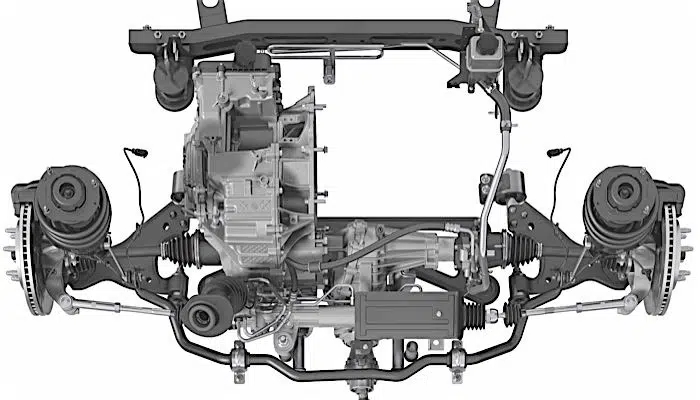
On vehicles that use external transmission cooling lines, the lines carry transmission fluid to a cooler or heat exchanger and back. The arrangement may include a heat exchanger in the radiator, a separate cooler or another vehicle-specific design.
The lines may combine metal tubing with purpose-made flexible hose. Their fittings, seals, routing and retaining clips all matter. Transmission fluid supports the transmission’s operation and cooling; these lines are not a general-purpose way to cool the engine.
A puddle underneath the car does not prove that a cooler line has failed. A technician should distinguish it from a leak at the pan, a seal, another transmission component or a different vehicle system.
Symptoms Of Leak In Transmission Lines
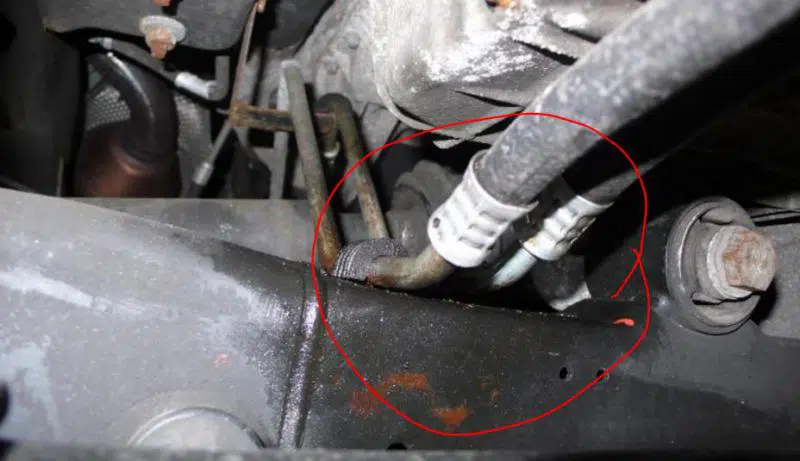
You may notice fresh fluid on the ground, wetness around a line or fitting, a burning smell, delayed engagement, slipping or a transmission-temperature warning. Fluid color varies, and color alone cannot identify its source.
If the vehicle has lost drive, has a substantial or fast leak, shifts unpredictably, produces smoke, or displays an overheating/stop warning, pull over safely and arrange assistance. Do not keep driving or repeatedly top up the fluid to compensate for an active leak. Use the manufacturer-approved towing method.
For a small suspected leak without obvious symptoms, contact a shop promptly before assuming the trip there is safe. Photograph the puddle and note where and when it appeared. Do not crawl under a vehicle supported only by a jack or touch hot lines.
Transmission fluid is not normally consumed. Heat can accelerate fluid deterioration, but summer weather is not an explanation for a falling fluid level that should be ignored.
Fixing Transmission Lines
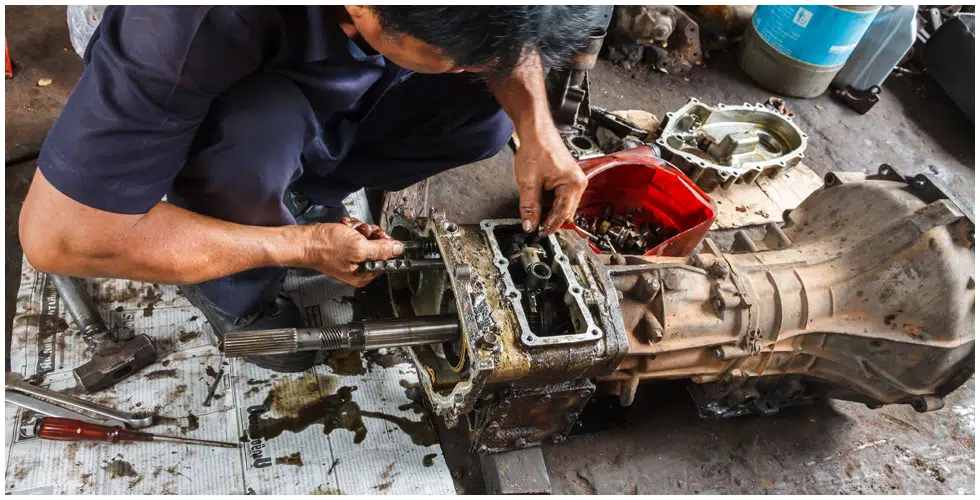
The shop should locate the leak and inspect the line, hose, fittings, seals, clamps or retaining clips as applicable. Corrosion, rubbing, a damaged hose, a failed seal and an improperly retained connector require different corrections.
A cracked, corroded or rubbed-through line generally needs replacement of the affected component or a repair specifically approved for that application. A serviceable seal or connector may be repairable without replacing every line. The technician should use the vehicle’s repair information to decide.
GM’s cooler-line leak bulletin is one example of a manufacturer directing replacement of the affected assembly after identifying a rub-through leak. It is not a procedure for every vehicle.
Why tape, stop-leak and generic hose are poor shortcuts
Do not wrap a cracked cooler line in PTFE/Teflon tape, apply a general-purpose sealing compound, or improvise a plumbing adapter as a roadside repair. Heat resistance alone does not establish that a material can safely hold pressurized transmission fluid. Thread sealant used on a specific approved fitting is a different application from wrapping a crack.
Do not pour a stop-leak treatment into the transmission unless the vehicle manufacturer specifically calls for it. An additive does not repair a damaged line.
A suitable flexible cooler hose is designed for oil, heat and pressure, as Gates’ cooler-hose specifications illustrate. Ordinary coolant or fuel hose should not be substituted. Even purpose-made hose needs approved sizing, fittings, retention and routing for the vehicle.
What a completed repair should include
- Correct the identified source of the leak and any rubbing or routing problem.
- Refill only with the required transmission fluid and set the level using the specified procedure.
- Check for leaks under the relevant operating conditions and assess any remaining shifting complaint.
- Explain whether fluid loss caused damage; a line leak alone does not prove a rebuild or replacement is necessary.
The cost depends on access, the failed component and required fluid. Ask for an itemized estimate from a transmission repair shop in Las Vegas rather than relying on a generic tape or adapter price.
Wonderful web site. Lots of helpful info here.
I am sending it to some buddies ans also sharing in delicious.
And naturally, thanks to your effort!