

 Audi
Audi
After a car accident in Las Vegas, most drivers want one thing: their car restored to the condition it was in before the crash. What many people do not realize is that there is often a debate about which replacement parts will be used during the repair process. This is where the discussion of car parts OEM vs aftermarket becomes important because the choice can affect safety, durability, and long-term value.
When dealing with car accident repair parts in Las Vegas, drivers are often surprised to learn that insurance companies may approve different types of components depending on the claim and the policy terms. You should know about car insurance claims for auto collision repair services in Las Vegas.
OEM vs Aftermarket: What These Terms Actually Mean
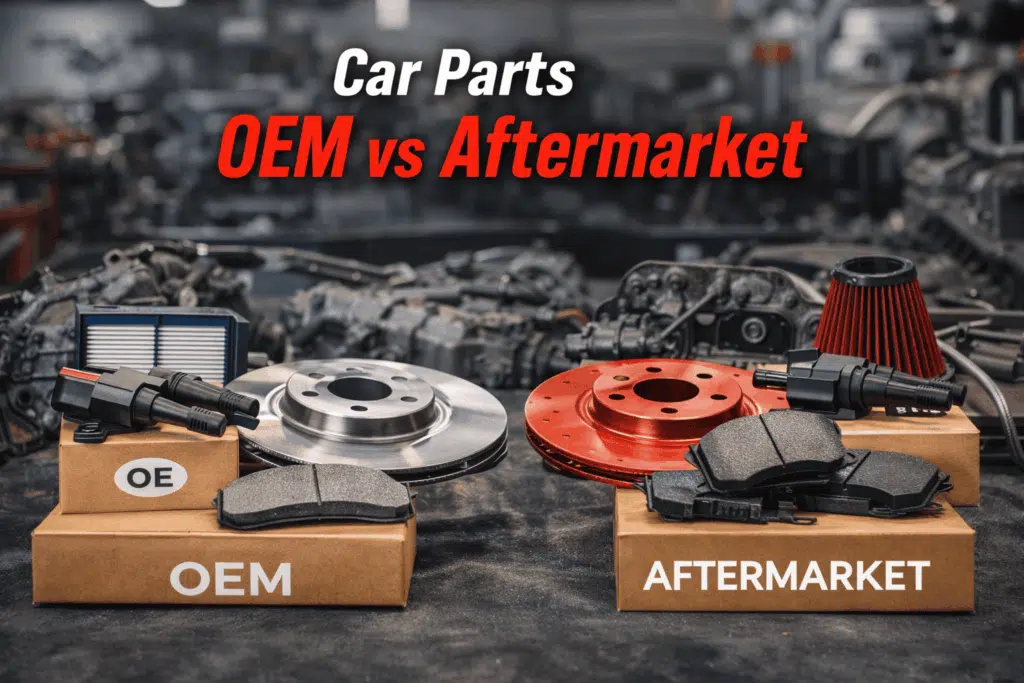
Before looking at Nevada regulations and insurance practices, it helps to understand the different types of parts used in collision repair.
OEM parts, also called Original Equipment Manufacturer parts, are made by the same company that produced your vehicle. These parts are designed to match the exact specifications of your car and are typically backed by the manufacturer’s warranty.
Aftermarket parts are produced by third-party manufacturers. Their quality can vary widely depending on the brand and manufacturing standards. Some are tested and certified by organizations such as the Certified Automotive Parts Association, which verifies fit and performance.
Recycled OEM parts are genuine manufacturer parts taken from salvage vehicles. They are sometimes referred to as like kind and quality parts and may still provide an exact match because they were originally produced by the automaker.
Understanding these differences is essential when evaluating car parts OEM vs aftermarket options during a repair estimate.
Nevada Law Provides Important Protection for Drivers
Many drivers in Nevada are not aware that state law already requires insurance companies to follow manufacturer repair procedures. The Nevada Insurance Commissioner has made it clear that refusing to authorize repairs according to manufacturer specifications can be considered an unfair claims practice under Nevada law.
Nevada regulations also require insurers to disclose when non OEM parts are included in an estimate. Repair facilities must notify vehicle owners about aftermarket or recycled parts and obtain written approval before installing them.
For drivers reviewing an estimate for car accident repair parts Las Vegas, this disclosure requirement helps ensure transparency before any work begins.
First Party Claims and Your Insurance Policy
If you are filing through your own insurance policy, the types of parts approved usually depend on the wording in your coverage agreement.
Many policies allow insurers to use parts that are considered like kind and quality. This means the company may approve aftermarket or recycled OEM components instead of brand new manufacturer parts.
Some policies offer an optional endorsement that guarantees OEM parts for newer vehicles. This endorsement usually applies only during the first few years of ownership. Checking your policy details ahead of time can help avoid surprises when a repair claim occurs.
Third Party Claims When Another Driver Is at Fault
When another driver causes the accident, their insurance company is responsible for covering the damage. However, that does not always mean brand new manufacturer parts will automatically be approved.
In many aftermarket parts post-accident claim situations, insurers argue that certified aftermarket components can restore the vehicle to its pre accident condition. As long as the repair meets that standard, they may consider their obligation fulfilled.
That said, experienced repair facilities often help drivers advocate for better parts when safety systems or structural components are involved.
When OEM Parts Are More Likely to Be Approved
Insurance companies may be more willing to authorize original manufacturer parts in certain situations. These include cases where certified alternatives are unavailable, when recycled components cannot be sourced, or when the vehicle is relatively new.
OEM parts are also often necessary when the repair affects structural components, airbag systems, or advanced driver assistance technology. When documentation clearly shows that manufacturer procedures require specific parts, insurers have stronger reasons to approve them.
In the middle of the repair process, the discussion around car parts OEM vs aftermarket becomes especially important because hidden damage or safety related components may change the repair plan.
Advanced Safety Systems Make Parts Selection More Important
Modern vehicles are equipped with advanced driver assistance systems that rely on sensors and calibration. These technologies include automatic emergency braking, blind spot monitoring, and lane departure warnings.
Many of these systems are connected to bumpers, mirrors, windshields, and structural areas of the vehicle. Even slight variations in replacement parts can affect calibration and performance.
Because of this, parts selection during collision repair is no longer just about appearance or fit. It directly affects whether safety features work correctly after the repair is complete.
What Drivers Can Do When Insurance Approves Alternative Parts

Drivers still have several options if their insurer initially approves non-OEM components.
One option is asking the repair facility to document why manufacturer parts may be necessary for specific repairs. Detailed documentation can strengthen the case when negotiating with an insurance company.
Drivers should also review their policy for any endorsements related to OEM coverage. If aftermarket components are accepted, requesting certified alternatives is usually the safest approach.
Another option is paying the price difference for certain safety related components if OEM parts are strongly recommended.
Working with an experienced auto body shop in Las Vegas can also make a difference because these facilities regularly communicate with insurance companies and prepare supplemental estimates that support proper repairs.
The Bottom Line for Las Vegas Drivers:
After a collision, choosing the right replacement parts can significantly affect your vehicle’s safety, performance, and long term value. Understanding the difference between car parts OEM vs aftermarket helps drivers make informed decisions during the repair process.
If you have BMW car and are confused about brake pads, you must read OEM vs. Aftermarket BMW Brake Pads
Nevada law provides important protections, but the outcome often depends on documentation, repair procedures, and communication with the insurance company. Drivers who work with experienced repair professionals are more likely to receive repairs that meet manufacturer standards.
At Universal Motorcars, our team helps drivers understand their options for insurance claim OEM parts in Las Vegas and ensures every repair follows manufacturer guidelines whenever possible. If your vehicle has been involved in a collision, contact Universal Motorcars for a professional inspection and a clear repair plan you can trust.
FAQs:
What is the difference between OEM and aftermarket ignition coils?
OEM ignition coils are made by the vehicle manufacturer and are designed to match the original specifications of your car. Aftermarket ignition coils are produced by third-party companies and may vary in quality. High-quality aftermarket options can perform well, but OEM coils typically offer more reliable compatibility and durability.
Are OEM brake pads better than aftermarket brake pads?
OEM brake pads are engineered to match your vehicle’s braking system, providing reliable performance and predictable wear. Some high-quality aftermarket brake pads may offer improved durability or reduced dust, but lower-quality options may produce more noise or wear faster.
Is an aftermarket air filter better than an OEM air filter?
OEM air filters are designed specifically for your vehicle and provide consistent filtration and airflow. Aftermarket air filters may improve airflow or be reusable depending on the brand, but their performance and filtration quality can vary. Choosing a reputable brand is important if selecting an aftermarket option.
Should I choose aftermarket fuel injectors or OEM fuel injectors?
OEM fuel injectors are built to match the exact fuel delivery requirements of your engine, ensuring optimal performance and fuel efficiency. Aftermarket injectors can sometimes offer higher performance for modified engines, but compatibility and quality depend on the manufacturer.
Are aftermarket brake rotors as good as OEM rotors?
High-quality aftermarket rotors can perform similarly to OEM rotors and may even offer enhanced cooling or durability. However, OEM rotors are designed specifically for your vehicle’s braking system, which often ensures consistent fit, performance, and reliability.