

 Audi
Audi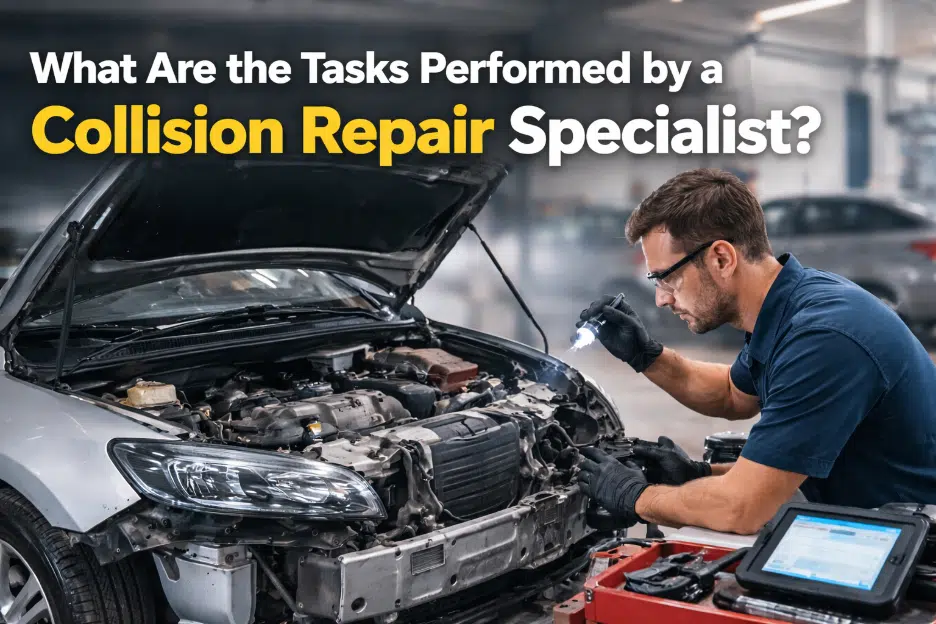
When an accident disrupts your routine, restoring your vehicle becomes a top priority. A skilled collision repair specialist plays a vital role in bringing damaged automobiles back to safe driving conditions. From structural corrections to detailed refinishing, these professionals combine technical training with precision craftsmanship. If you have ever wondered what collision repair and what truly happens behind the shop doors, this guide breaks it down clearly.
Understanding What’s Collision Repair
Before exploring daily responsibilities, it helps to define what’s collision repair. This field focuses on restoring vehicles damaged in crashes, whether minor fender impacts or major structural incidents. The goal is not only visual improvement but also safety, performance, and long term reliability.
A reputable facility follows manufacturer guidelines, uses advanced measuring systems, and ensures every restored component functions as intended. That is why choosing a quality collision repair center matters more than most drivers realize.
Initial Damage Evaluation and Diagnostics
The first task involves a comprehensive inspection. Technicians examine visible dents, hidden structural shifts, and electronic system faults. Modern vehicles contain sensors, cameras, and computerized components that require scanning tools for accurate assessment.
Digital measuring equipment helps determine whether frame alignment meets factory standards. Without proper diagnostics, unseen problems can remain unresolved. This step sets the foundation for the entire restoration process.
Structural Repairs and Frame Alignment
After evaluation, attention shifts to structural integrity. A damaged frame can affect steering, suspension, and overall handling. Specialists use hydraulic systems and computerized measuring platforms to restore alignment according to manufacturer specifications.
Precision at this stage ensures occupant protection systems operate correctly in the future. Restoring structural balance is one of the most critical responsibilities in this profession.
Body Panel Restoration and Replacement
Many clients ask, what do collision repair technicians do when it comes to exterior damage? Their work includes repairing or replacing panels such as bumpers, doors, hoods, and fenders.
Depending on severity, they may reshape metal, remove compromised parts, or install new components. Proper fitting and secure installation are essential for durability and safety. Every adjustment must match factory standards to maintain vehicle value.
Mechanical and Safety System Corrections
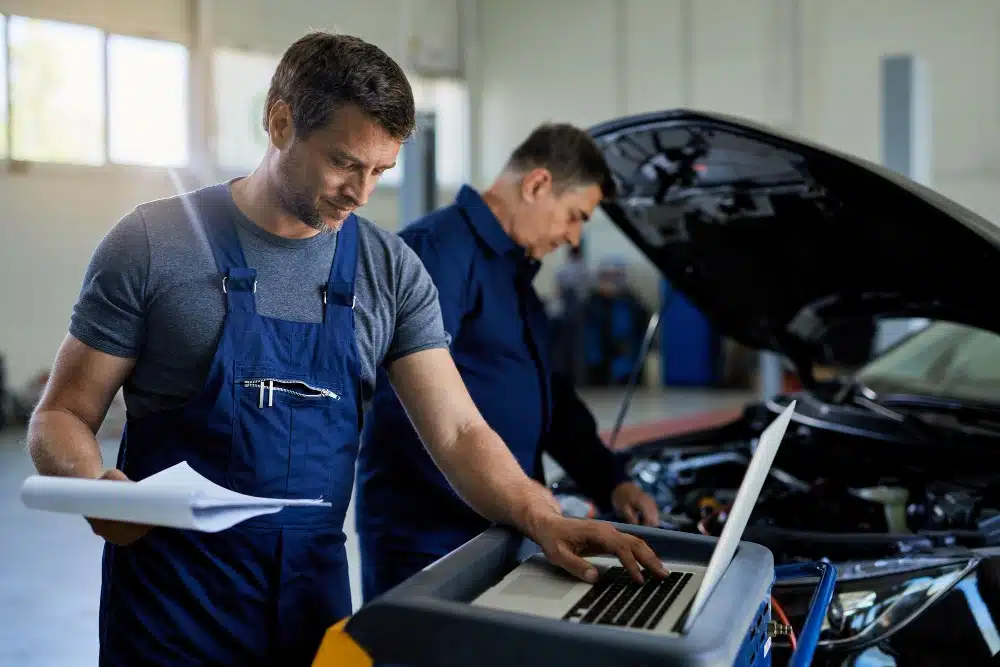
An impact often affects more than visible surfaces. Suspension elements, steering assemblies, braking components, and advanced driver assistance features may require recalibration or replacement.
Qualified professionals handle these systems carefully to ensure reliable operation. Shops staffed with ASE certified auto mechanics bring added confidence, since those credentials demonstrate verified expertise in automotive service and repair.
Facilities with Platinum I Car certified team members show even higher commitment to ongoing education and manufacturer approved procedures. That level of training is especially important for late model vehicles equipped with complex electronics.
Surface Preparation and Refinishing
Once structural and mechanical issues are addressed, refinishing begins. Surface preparation involves sanding, priming, and smoothing repaired areas. Paint technicians then match color using computerized mixing systems to achieve seamless results.
Controlled spray booths help ensure proper curing and consistent finish quality. Attention to detail during refinishing restores appearance while protecting metal surfaces from corrosion.
Coordination With Insurance Providers
Another essential duty includes documentation and communication with insurance companies. Estimating software generates accurate repair plans, helping streamline approvals. Clear reporting benefits both the vehicle owner and the insurer, reducing delays and confusion.
Professional communication skills are just as valuable as technical ability in this industry.

Why Choosing the Right Facility Matters
Selecting a quality collision repair center affects more than cosmetic results. Proper restoration preserves resale value, maintains safety standards, and prevents recurring mechanical issues.
For businesses or drivers searching for an accident repair specialist in Las Vegas, experience and certification should guide the decision. Advanced equipment, factory compliant procedures, and transparent service all contribute to dependable outcomes.
Universal Motorcars: Trusted Technicians in Las Vegas
When it comes to professional automotive restoration, Universal Motorcars stands out for its commitment to precision and customer care. Their team includes ASE certified auto mechanics and Platinum I Car certified technicians who follow manufacturer guidelines at every stage.
From digital diagnostics to expert refinishing, Universal Motorcars delivers solutions designed to protect both performance and appearance. Clients in need of an accident repair specialist in Las Vegas benefit from advanced tools, structured repair planning, and a customer focused approach that prioritizes safety.
Whether dealing with minor impact damage or complex structural issues, their technicians provide dependable service backed by industry recognized credentials.
Conclusion:
An expert handles far more than dent removal. Their responsibilities include diagnostics, structural alignment, component replacement, refinishing, system recalibration, and insurance coordination. Each step contributes to restoring safety, reliability, and visual appeal.
Understanding what’s collision repair helps vehicle owners make informed decisions after an accident. By choosing a trusted facility staffed with certified professionals, drivers can feel confident that their automobile will return to the road in proper condition.
If you are seeking an experienced team in Las Vegas and want a free consultation.

FAQs:
- How long does collision repair usually take?
Repair time depends on the severity of the damage, parts availability, and insurance approvals. Minor repairs may take a few days, while major structural restoration can take one to two weeks or more.
- Can I drive my car before getting collision damage repaired?
It depends on the extent of the damage. Even if the vehicle seems drivable, hidden structural or safety issues could put you at risk. A professional inspection is always recommended.
- Will collision repair affect my vehicle’s resale value?
Proper repairs performed by certified technicians using manufacturer guidelines can help maintain resale value. Poor quality work, however, may reduce it.
- Do I have the right to choose my own collision repair shop?
Yes. In most cases, you are not required to use the shop suggested by your insurance provider. You can select a trusted facility that meets your standards.
- What certifications should I look for in a repair facility?
Look for ASE-certified auto mechanics and Platinum I Car certified technicians. These credentials indicate advanced training and commitment to industry standards.
- Does collision repair include paint color matching?
Yes. Professional facilities use computerized color matching systems to ensure the repaired area blends seamlessly with the original finish.
- Are advanced safety systems checked after repairs?
Yes. Modern vehicles require recalibration of sensors and driver assistance features after certain repairs to ensure proper functionality.
- What isthe difference betweencollision repair and refinishing?
Collision repair and refinishing refers to the complete process of restoring a vehicle after an accident. Collision repair involves fixing structural damage, replacing or repairing body panels, and correcting mechanical issues. Refinishing focuses on surface preparation, paint color matching, and applying protective coatings to restore the vehicle’s original appearance and protect it from corrosion.