


 Audi
Audi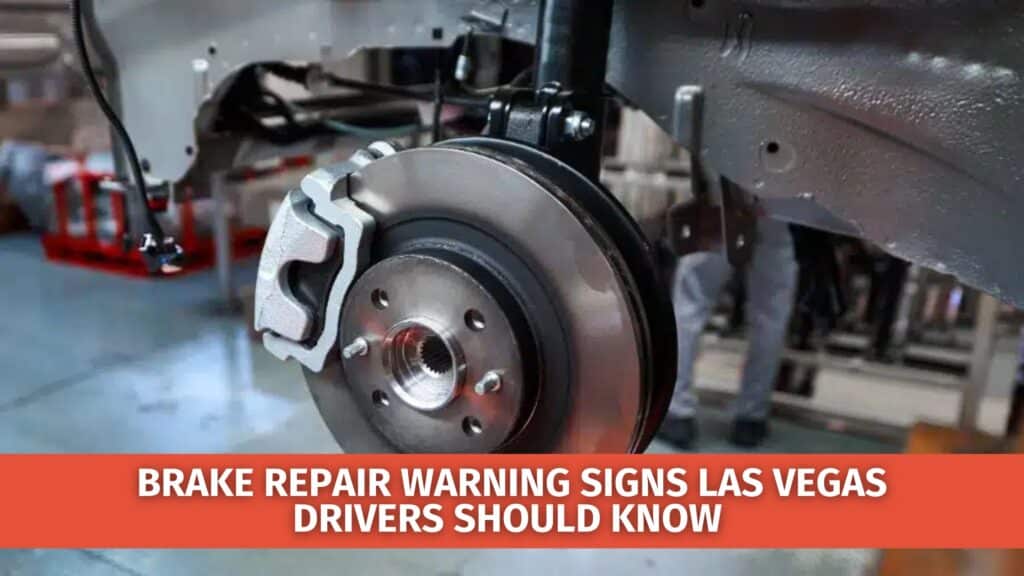
People who drive in Las Vegas do not know that their brakes require extra work. Your braking system undergoes heavy damage because of the Strip’s stop-and-go traffic combined with the extreme desert heat and extended periods of high-speed highway driving. The costs and dangers from brake problems will increase because people do not pay attention to basic brake pad replacement needs. The following information needs to be understood by all drivers in Las Vegas about brake repair services in the city.
Why Brake Health Matters More in Las Vegas
The streets of Las Vegas create specific conditions which cause your automobile to experience different types of wear. The extremely high summer temperatures which reach above 110°F every day, lead to brake fluid degradation and rotor warping and rubber parts breaking down faster than their expected lifespan. Your brakes experience nearly constant pressure because of the high traffic volume on Las Vegas Boulevard combined with the rapid merges that occur on I-15 and US-95. The practice of preventing brake issues provides maintenance benefits while enhancing overall safety.
A regular inspection by an approved auto body repair shop or repair facility will help you detect brake issues before they lead to expensive brake repairs.
7 Brake Warning Signs You Should Never Ignore
1. Squealing or Screeching Noises
The high-pitched squealing sound that occurs while you decelerate serves as an annoying brake alert message. A brake pad consists of metal wear material which produces the specific sound when the pad material reaches its critical thinness. People who hear squealing on a regular basis must plan for brake repair Las Vegas service because their situation will worsen over time.
2. Grinding Sounds When Braking
The brake pads have reached their maximum wear point when you hear a deep grinding or metal-on-metal sound, which indicates all pads are completely gone. The metal caliper now scrapes against the rotor. The rotor surface begins to experience rapid damage because the metal caliper contacts it. The metal caliper now scrapes against the rotor. The metal caliper now scrapes against the rotor. The metal caliper now scrapes against the rotor. The grinding brakes need urgent brake repair Las Vegas Professional help.
3. Car Shaking When Braking
Does your steering wheel vibrate or your whole car shudder when you apply the brakes? The common indicator of warped brake rotors shows itself through car shaking during braking. In Las Vegas, this happens frequently because the heat causes rotors to expand and cool unevenly, creating an uneven surface. The effectiveness of braking gets reduced by warped rotors which also increase stress on your vehicle’s suspension system.
4. Soft, Spongy, or Sinking Brake Pedal
A healthy brake pedal should feel firm and responsive. If you press down and the pedal feels soft, spongy, or sinks toward the floor, you could be dealing with air in the brake lines, a brake fluid leak, or a failing master cylinder. Any of these issues is serious and warrants an immediate visit to an auto body repair shop or mechanic near you.
5. Pulling to One Side While Braking
If your vehicle pulls left or right when you apply the brakes, it typically means one brake caliper is sticking or the brake pads are wearing unevenly on one side. The unbalanced braking force makes it difficult to control your car during an emergency stop situation. If your brakes show signs of wear unevenly, it indicates that your vehicle has a suspension alignment problem which needs to be fixed during brake service.
6. Burning Smell After Driving
A sharp, acrid burning smell – especially after driving in heavy traffic or coming down a long grade – can indicate overheated brakes. Overheating causes brake fade, which results in temporary or permanent loss of braking capacity. In extreme cases, it can lead to brake fluid boiling. You need to stop your vehicle because you detected this smell and let your brakes cool down before driving again.
7. Brake Warning Light Is On
People who drive forget to pay attention to their dashboard warning lights for several weeks. Your brake warning light signals that something is wrong with your vehicle’s braking system. The drying process has removed your brake fluid resources and worn out your brake pads and caused problems with your ABS system. The drying process has removed your brake fluid resources and worn out your brake pads and caused problems with your ABS system. The system requires a technician to run diagnostics to complete brake inspection work.
How Often Should Las Vegas Drivers Replace Brake Pads?
The recommended interval for brake pad replacement ranges from 25000 miles to 70000 miles, but drivers in Las Vegas should expect their brakes to wear down at an earlier date. The combination of city driving which requires frequent stops and the heavy traffic surrounding tourist areas plus the summer heat causes brake pads to wear down more quickly. The best approach is to have your brakes checked visually at every oil change because this method keeps you informed about their condition.
What Happens If You Ignore Brake Warning Signs?
People who delay brake repairs will not experience positive outcomes from their decision. The cost of fixing a worn brake pad increases when it becomes necessary to handle these issues:
- Damaged or scored rotors that need resurfacing or full replacement
- Seized calipers that cause chronic uneven wear
- Brake fluid contamination that compromises the entire hydraulic system
- Complete brake failure in a worst-case scenario
With no maintenance service performed on your brakes, you will spend extra money in the future while creating unsafe driving conditions for yourself and your passengers and everyone else on the road.

Choosing the Right Auto Repair Shop in Las Vegas
When searching for auto repair near me in Las Vegas, look for a shop that offers a free or low-cost brake inspection, employs ASE-certified technicians, uses quality OEM or equivalent parts, and provides a clear written estimate before any work begins. A trustworthy autobody repair or mechanical shop will show you the worn components and explain exactly what needs to be replaced – not pressure you into unnecessary repairs.
Don’t Wait Until Your Brakes Fail
Your brakes are the single most important safety system on your vehicle. Las Vegas roads demand that they perform reliably – whether you’re navigating the Strip, accelerating onto the freeway, or hauling the family out to Red Rock Canyon. If you’ve noticed any of the warning signs above, don’t put it off.
Schedule a brake inspection with a qualified brake repair Las Vegas shop today. A few minutes of attention now could prevent an accident – or save you from a much larger repair bill down the road.
Frequently Asked Questions
What are the most common warning signs that I need brake repair in Las Vegas?
The most common signs include squealing or grinding noises, a soft or spongy brake pedal, vibration when braking, pulling to one side, or a brake warning light on your dashboard. These symptoms usually mean you need immediate brake repair Las Vegas service.
Is it safe to drive with worn brake pads?
No, driving with worn brake pads is dangerous. It can damage your rotors, reduce stopping power, and increase the risk of brake failure. If you notice early warning signs, visit a trusted auto body repair shop or brake specialist right away.
How often should brakes be inspected in Las Vegas?
Because of extreme heat and heavy traffic conditions, it’s recommended to inspect your brakes at every oil change or at least every 6 months. Regular checks help prevent costly autobody repair and keep your braking system safe and reliable.