
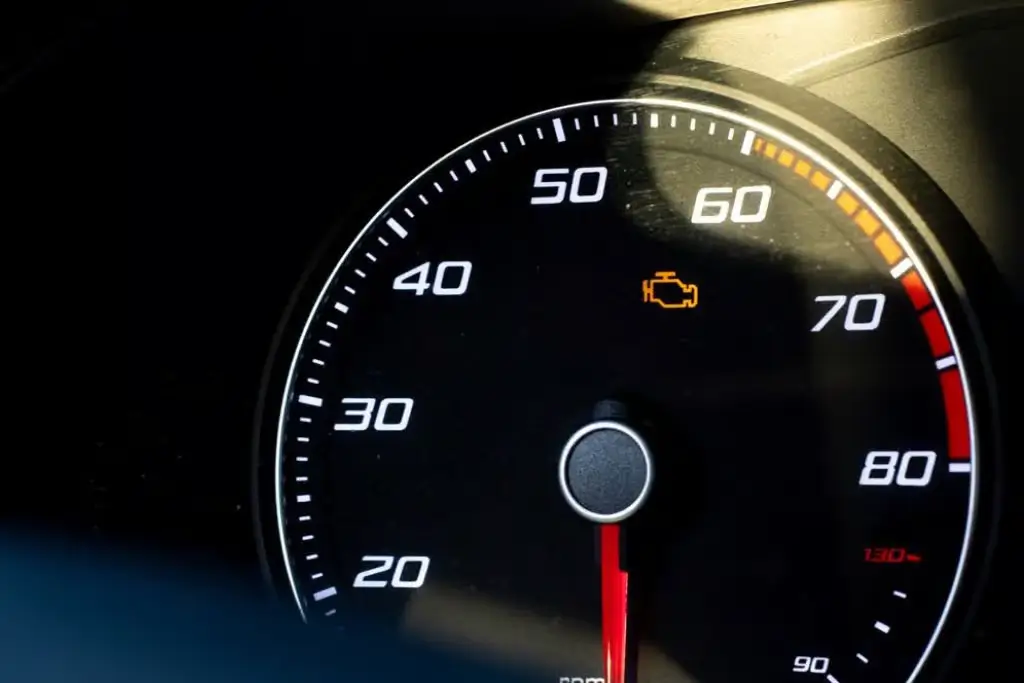
The little light that illuminates your dashboard may indicate anything — a loose gas cap or a failing catalytic converter. The downside of the check engine light is that it is a catch-all warning and, like most warning indicators, it is capable of communicating in colors and mannerisms that most drivers are oblivious to. This is what it means to you.
What the Check Engine Light Actually Is
Your car’s onboard diagnostics system, or OBD-II, in cars manufactured since 1996, monitors dozens of sensors in your engine, transmission and emissions system. If the value is out of range, it will store a fault code and illuminate the check engine light. The light does not indicate the exact problem. It lets you know that there is something to investigate.
What the Colors Mean
Yellow or Amber — Investigate Soon Investigate Soon This is the most common version. A steady yellow or Amber Check Engine light indicates a fault has occurred but it is not a critical condition. You’ll probably be able to drive your car as normal. These can be due to a loose gas cap, a faulty oxygen sensor, a failing mass airflow sensor or a problem with the emission. You have time, but don’t let weeks pass. If you don’t solve the small issues they become huge ones.
Red Check Engine Light — Stop and Act Some vehicles display a red check engine light or combine it with other warning lights when the situation is urgent. If your check engine light appears red, or illuminates alongside the oil pressure or temperature warning, treat it seriously. Pull over when it is safe to do so and assess the situation. Continuing to drive can cause significant engine damage.
Flashing or Blinking Light — Pull Over Now This is the one that demands immediate attention regardless of color. A flashing check engine light almost always indicates an active engine misfire. When a cylinder misfires repeatedly, it sends raw unburned fuel into your exhaust system, which can destroy your catalytic converter within minutes of driving. A catalytic converter replacement can cost $1,000 to $3,000 or more. If your check engine light is blinking, reduce speed immediately, avoid hard acceleration, and get your car to a mechanic as soon as possible — ideally the same day.
Steady Light — Monitor and Schedule Service A solid, non-flashing check engine light that stays on consistently means a fault code is stored and the issue is ongoing. It is not a panic situation, but it should be diagnosed within a week or two. Driving for months with a steady check engine light is how small sensor failures turn into engine damage.
Common Causes by Behavior
Steady yellow light, no other symptoms:
- Loose or damaged gas cap
- Faulty oxygen sensor
- Worn spark plugs or ignition coils
- Failing mass airflow sensor
- Evaporative emission system leak
- Catalytic converter beginning to degrade
Steady light with noticeable symptoms (rough idle, poor acceleration, reduced fuel economy):
- Engine misfire beginning
- Failing fuel injectors
- EGR valve issues
- Throttle body problems
Flashing light, with or without symptoms:
- Active engine misfire — most common cause
- Severe ignition failure
- Fuel delivery problem causing repeated misfires
Light comes on and off intermittently:
- Loose electrical connections
- Intermittent sensor faults
- Temperature-dependent component failures
- Gas cap not fully tightened after refueling
What to Do First
Before paying for a diagnostic scan, check your gas cap. Remove it, inspect the rubber seal for cracks or damage, and reinstall it firmly until you hear it click. A loose gas cap is one of the top five reasons the check engine light turns on and it costs nothing to fix. Drive for one to two days — if that was the cause, the light will reset on its own.
If the light stays on, get a diagnostic scan. Many auto parts stores — AutoZone, O’Reilly, Advance Auto Parts — will read your fault codes for free. You will get a code like P0420 or P0301, which corresponds to a specific system or component. This does not tell you exactly what part to replace, but it tells you and your mechanic where to look.
Can You Drive With the Check Engine Light On?
Steady light, no other symptoms: Generally yes, for a short time. Schedule a diagnosis within a week or two and avoid long road trips until it is resolved.
Steady light with rough running, smoke, or unusual smells: No. Something is actively wrong. Get it checked immediately.
Flashing light: No. Do not continue driving at normal speed. Reduce power and get to a mechanic the same day.
Red light or combined with other warnings: No. Pull over safely and assess. Call for assistance if needed.
What most drivers don’t know is that:The one thing most drivers get wrong:
Solve a problem without clearing the code. Some drivers – or discount shops – clear the fault code and the warning light turns off, and they think it’s fixed. The code will be returned, and the root cause will persist. A code that is cleared, does not equal a fix. It is a delay.
The Bottom Line
Your check engine light will not panic you, it will alert you to a problem before it is serious. Knowing the difference between a steady light, a flashing light, and a color change, you’ll always know what to do.