
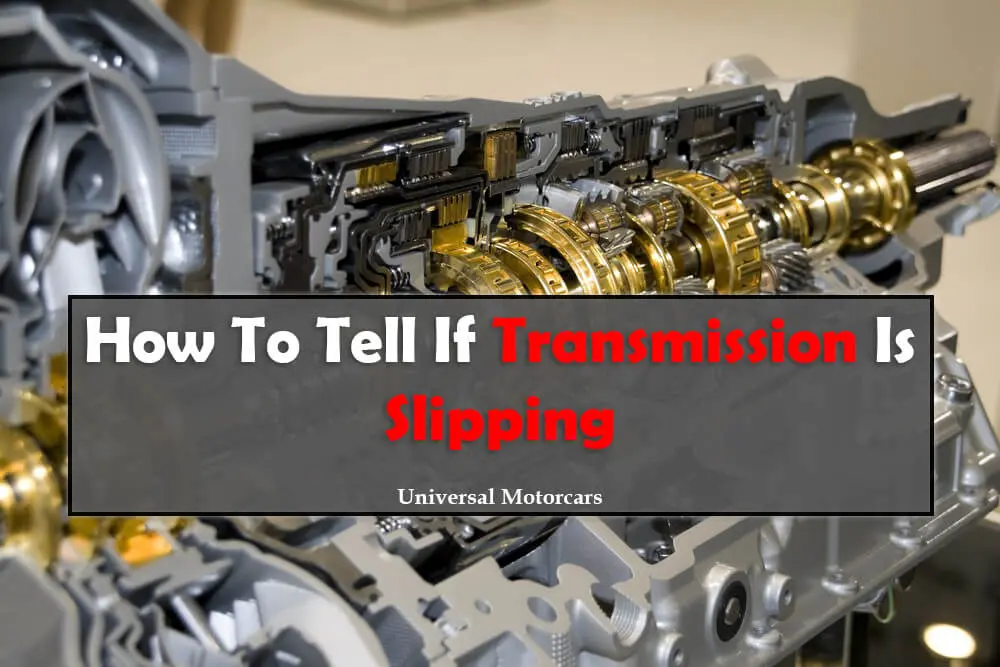
Possible transmission slipping can feel like the engine revving without the increase in road speed you expect. You might also notice delayed engagement or a change in how the vehicle shifts. These observations are reasons to investigate, not a diagnosis by themselves.
There is no single RPM threshold that proves a transmission is slipping. Normal behavior depends on the transmission, engine load and driving conditions. What matters is how the vehicle responds, whether the behavior is new and whether other symptoms appear.
When to stop safely and arrange a tow
If the vehicle loses drive, repeatedly drops out of gear or cannot accelerate predictably enough to travel safely, stop in a safe location and arrange professional assistance. Do not keep accelerating to force it to engage.
- A transmission overheating or stop warning: Follow the dashboard message and your owner’s manual. Some vehicles require a specific cooling procedure. For example, Hyundai’s 2025 Sonata instructions direct the driver to stop safely in Park with the engine running for the indicated transmission-temperature warning. If the warning persists or normal operation does not return, arrange assistance instead of continuing the trip.
- A substantial fluid leak with poor shifting or loss of drive: Arrange inspection and towing rather than guessing how much fluid remains. Ford’s transmission-fluid guidance warns against driving the covered vehicle below its specified minimum level.
- Suspected fire: Pull over safely, switch off the vehicle, get everyone out and away from traffic, and call 911. The U.S. Fire Administration advises moving at least 100 feet away and not opening the hood or trunk if fire is suspected there.
For a mild but repeatable change without those warning signs, contact a repair shop promptly to discuss inspection. A description alone cannot confirm that a vehicle is safe to drive. Tell the towing provider the exact vehicle and drivetrain so it can use the manufacturer-approved transport method.
Symptoms worth recording
Write down what happened when you are safely parked. Useful details include:
- Engine speed rises but acceleration does not match: Note whether this happens during a shift, steady driving, starting from a stop or climbing a hill.
- Delayed Drive or Reverse engagement: Describe the delay and whether it occurs cold, after the vehicle warms up or both.
- New shuddering, banging or uneven acceleration: These can involve transmission operation, but engine or other drivetrain problems also need consideration.
- A warning light, message, leak or unusual odor: Record the exact message. None of these alone identifies the failed component.
A check-engine light does not automatically mean transmission failure. Likewise, loss of tire traction on a slippery surface is different from a transmission failing to transfer power. Avoid trying to reproduce a problem with hard acceleration.
The transmission type changes the interpretation
Conventional automatic
These transmissions normally shift through set gear ratios. An unexpected flare in engine speed during a shift or a delay engaging a gear may justify inspection. Testing needs to distinguish fluid-level or specification problems, control or pressure faults and internal wear before a repair is selected.
Continuously variable transmission (CVT)
A CVT changes ratios differently from a stepped automatic, so its engine sound and shift feel may be unfamiliar. Honda explains that CVT ratios can change continuously and that some controls simulate stepped shifts.
Manufacturer-specific behavior matters. A GM bulletin for certain Chevrolet Spark CVTs describes conditions that can feel like unusual shifting without requiring repair. That does not make new shuddering, warnings or loss of acceleration normal on every CVT.
Dual-clutch transmission (DCT)
A DCT uses automatically controlled clutches. Some low-speed engagement sensations differ from those of a conventional automatic. Hyundai’s Sonata DCT guidance describes certain light vibrations and noticeable shifts as normal for that design. Strong, worsening or newly appearing symptoms still deserve evaluation; do not assume all shuddering is normal.
Manual transmission
With a manual, a clutch that is not fully transmitting power is a separate diagnostic possibility from an internal gearbox problem. Describe what happens with the clutch pedal fully released and bring any clutch-repair history. Manufacturer operating guidance matters here too: Ford warns that resting a foot on the clutch pedal or using it to hold the vehicle on a hill shortens clutch life.
What a useful diagnosis should establish
Start with the exact year, make, model, mileage and transmission, plus when the symptoms began. Tell the technician about recent repairs, fluid service, towing use, overheating or accident damage. If this began after a collision, mention it when arranging the collision damage assessment.
Depending on the findings, diagnosis may include:
- Checking the complaint against manufacturer information and normal operating characteristics.
- Inspecting for leaks and checking fluid level and condition using the specified procedure.
- Reading relevant fault codes and operating data, then testing what those findings indicate.
- Evaluating engagement and driving behavior when a road test is appropriate and safe.
- Performing further electrical, pressure or internal inspection only as the evidence requires.
Ask what has been confirmed, what remains uncertain and what additional testing would cost. A fault code is a starting point for diagnosis, not proof that a complete transmission needs replacement.
For example, GM’s diagnostic guidance for certain Spark CVTs calls for specific inspection and further diagnosis in circumstances where symptoms or apparent debris could otherwise lead to unnecessary replacement. The correct procedure is specific to the vehicle.
Should the fluid be changed or flushed?
Do not choose a flush as the default treatment for slipping. First establish the cause and identify the manufacturer’s fluid specification, maintenance schedule and approved service procedure for the exact transmission.
The decision should account for mileage, service records, leaks, overheating history and current symptoms. Tell the technician if the history is unknown. Ask whether the proposed work is scheduled maintenance, part of a diagnosis or a repair, and what it is expected to accomplish.
Some vehicles require a controlled temperature and a specific level-check procedure. Do not assume every transmission has an owner-serviceable dipstick or add fluid based only on a dashboard symptom.
Ford’s guidance for the vehicle linked above cautions against overfilling, using the wrong specification and adding supplemental treatments or cleaning agents. Those instructions illustrate why a universal additive or flushing recommendation is inappropriate. Use your own vehicle’s instructions; a procedure for one model is not a service schedule for another.
Arrange transmission inspection at Spring Mountain
For general passenger-vehicle transmission or other mechanical concerns, contact Universal Motorcars on Spring Mountain at 702-754-6774, 5585 Spring Mountain Rd, Las Vegas, NV 89146.
Have your vehicle information, symptoms and service history ready. Ask about scheduling, diagnostic charges and whether towing is appropriate before setting out. Read about our transmission repair services or send a repair inquiry; the team will confirm the next step.
Pingback: Before Approving Transmission Replacement | Las Vegas
Pingback: When Should You Do a Transmission Flush? Diagnose First