Universal Motorcars · Spring Mountain
Cooling System Repair & Engine Overheating in Las Vegas
Temperature climbing?
Losing coolant?
Let’s find out why.
We diagnose overheating and coolant leaks, explain the findings, and help you plan the repair your vehicle needs.
5585 Spring Mountain RdLas Vegas, NV 89146
Passenger-vehicle cooling repairs.
Ask about diagnostic charges and availability.

What happens—and when—helps
Tell us what you’re noticing.
You do not need to identify the failed part before booking. These patterns help guide testing; none confirms a diagnosis on its own.
Hot at idle or in traffic
If the temperature rises at stoplights but settles while moving, fan operation and airflow deserve attention. We also consider coolant level, circulation and the conditions that trigger the problem. Cooling down at road speed does not make continued driving safe.
Coolant loss, puddles or a sweet smell
A leak may show up at a hose, radiator seam, reservoir, housing or water pump—or appear only when the system is hot and pressurized. A smell or fluid color alone cannot identify the source. Tell us how often you have added coolant and roughly how much.
Hot on hills, under load or after a repair
A problem that appears during sustained driving can involve coolant flow, heat rejection or another engine concern. Recent coolant work also matters: an incorrect fill or trapped air can affect some systems. Bring the repair history and the exact warning message.
A useful diagnosis connects the evidence
What a cooling-system inspection can establish.
We start with your vehicle, symptoms and recent work, then agree on the initial diagnostic scope and charge. We select the checks that fit your vehicle and the findings.
-
Find where coolant is going.
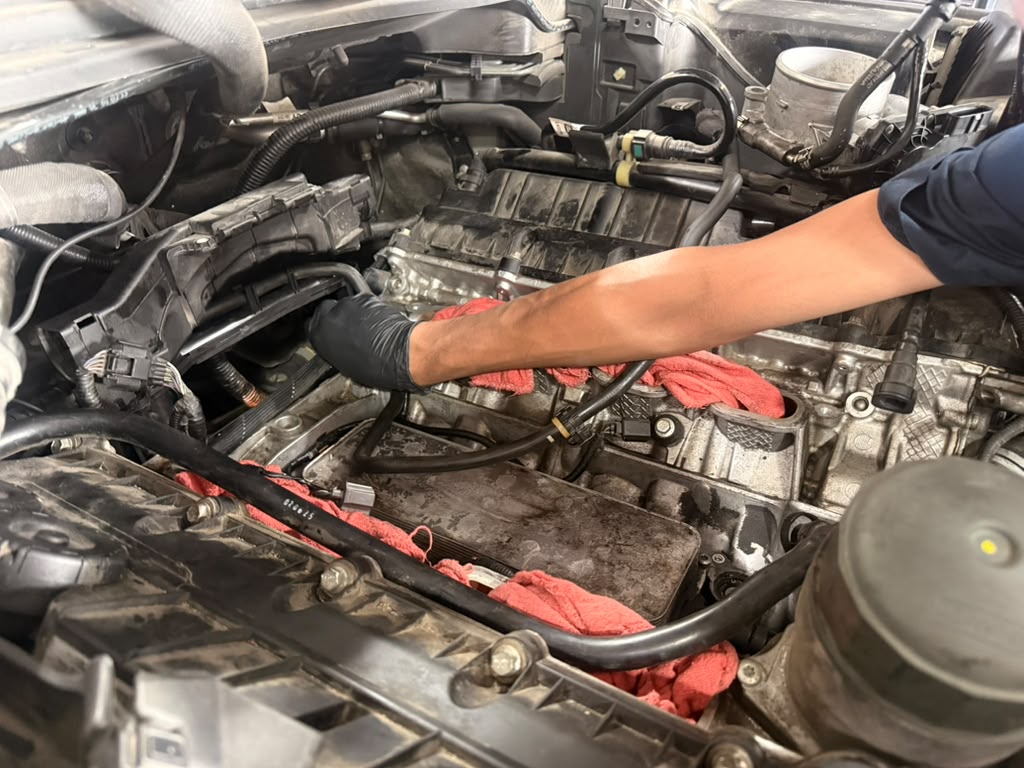
Inspect accessible components, connections and signs of leakage. A pressure test, where appropriate, helps reveal leaks that may be difficult to see when parked. The cap and reservoir are part of the investigation.
-
Check airflow and temperature control.
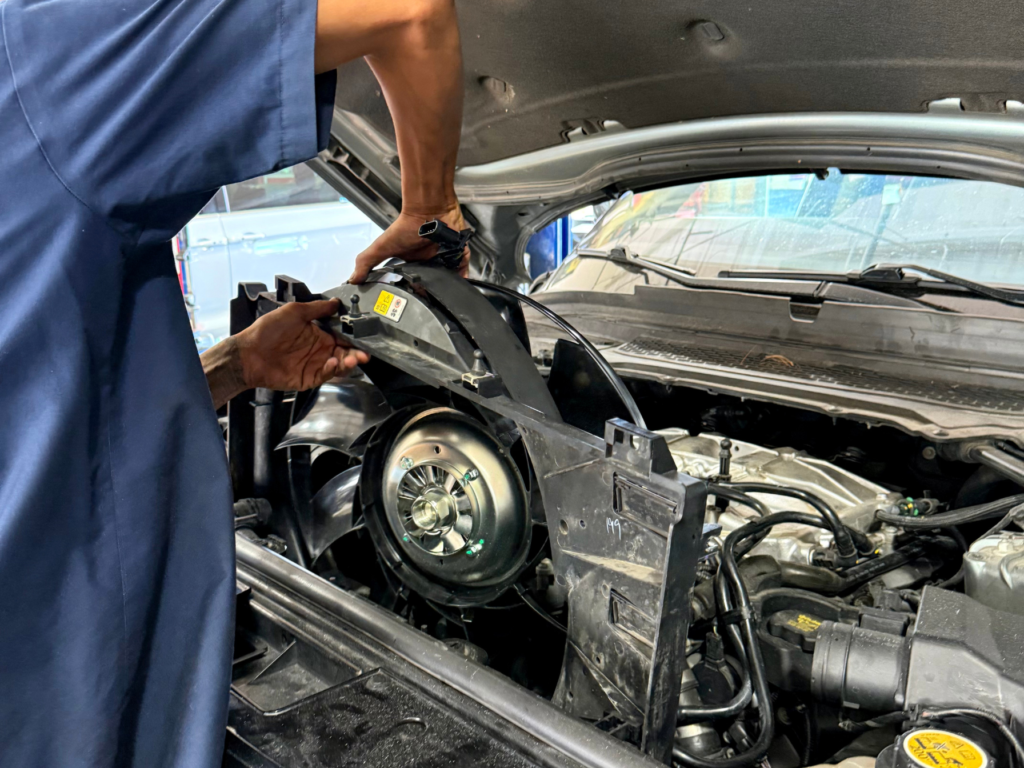
Evaluate fan operation and its electrical controls, radiator airflow and available temperature data. A fan that is not running may have a control or power-supply problem rather than a failed motor.
-
Assess coolant circulation.
Investigate thermostat operation, water-pump function, restrictions and coolant condition as the symptoms require. Coolant specifications, filling and air-removal procedures depend on the vehicle.
-
Explain the findings and repair plan.
We explain what supports the recommendation, what remains uncertain and whether more testing is needed. After authorized work, checks address leaks and operating temperature under appropriate conditions.
Why we ask when it happens
“It overheats” and “it warms up only after ten minutes at idle with the A/C on” give us different starting points. Share the pattern you noticed without trying to reproduce an unsafe condition.
One system. Several possible causes.
What each part does—and what we check.
These components work together to control engine temperature. Inspection determines which one needs attention on your vehicle.
Radiator repair or replacement
Leak location, core and tank condition, damage and restrictions guide the recommendation. Whether a radiator can be repaired depends on its construction and condition.
Cooling fans & controls
We check fan operation along with the motor’s power supply, wiring and controls. A fan that stops running does not automatically need a new motor.
Thermostat concerns
A thermostat helps regulate coolant flow as the engine warms up. Its operation needs to be evaluated alongside temperature readings and other system findings.
Water-pump repair
Leaks, pump design and access affect the repair. Mechanical and electric pumps require different checks; related belt, housing or component work may affect scope.
Hoses, caps & reservoirs
Connections, hoses, housings, the reservoir and pressure cap can all matter. We trace the leak or pressure concern instead of relying on the color of a puddle.
Coolant service & filling
Coolant specification, service interval and air-removal procedure depend on the vehicle. A coolant exchange alone does not repair a leak or an overheating fault.
Before a major engine decision
Overheating does not automatically mean you need an engine.
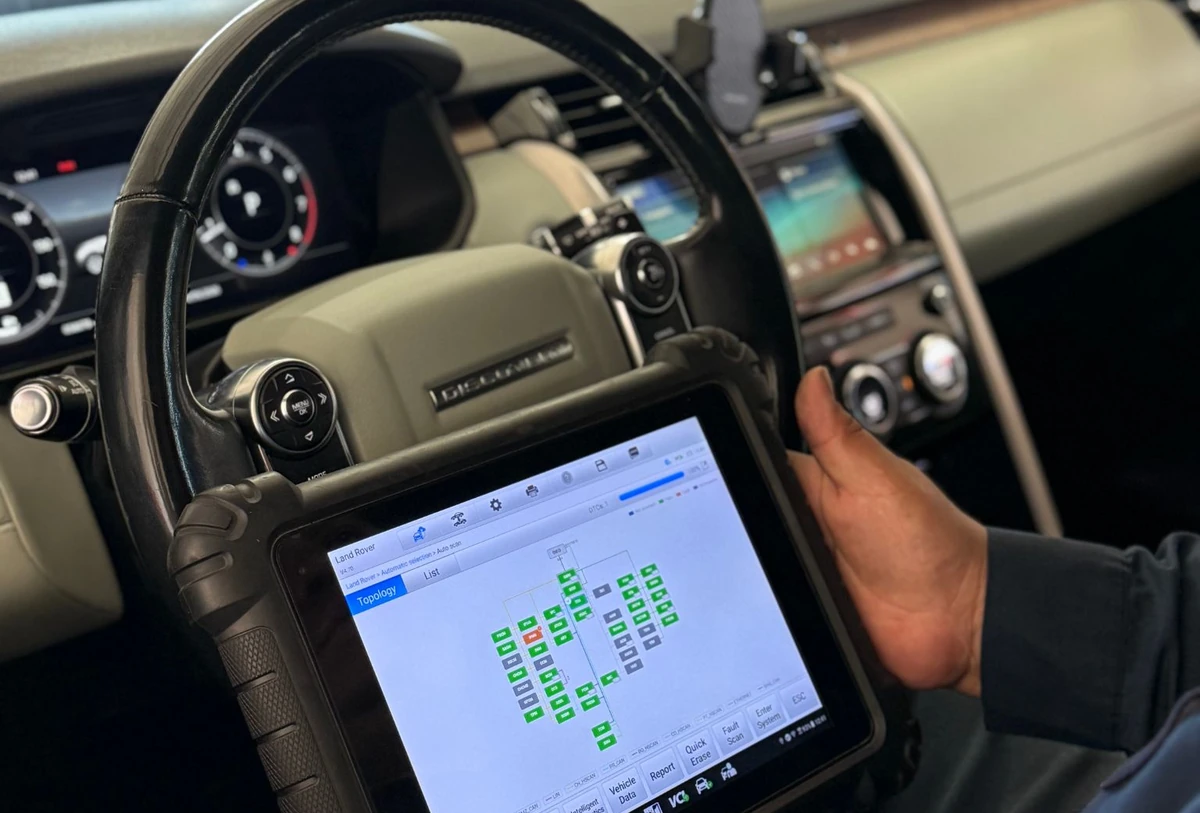
First, establish what caused the temperature to rise. Then assess whether the engine was affected. How hot it became, how long it ran and what happened afterward all matter.
Unexplained coolant loss, abnormal running or other findings may call for additional testing. Depending on the engine, this can include checking for combustion gases in coolant, cylinder compression, leak-down testing or further inspection.
Already have an engine-replacement estimate?
Bring the written diagnosis, test results, estimate and recent service records. We can assess the concern and explain whether our findings support the proposed work.
What failed, and which findings support that conclusion?
Will the repair address why the engine overheated?
Would additional testing change the repair decision?
What is included in the cost and warranty?
A second opinion may confirm the original recommendation. The goal is a well-supported decision.
Clear scope before you approve work
What determines cost and timing?
The vehicle, failed component and access needed drive much of the repair cost. A reachable hose and a water pump behind other engine components are very different jobs.
Diagnostic time, intermittent symptoms, related damage, parts availability, correct coolant filling and verification also affect the schedule. We discuss the estimate and expected timing once the scope is clear.
Confirm the diagnostic charge and what it covers before the inspection. Additional testing or disassembly requires a discussion of the next scope and charge.
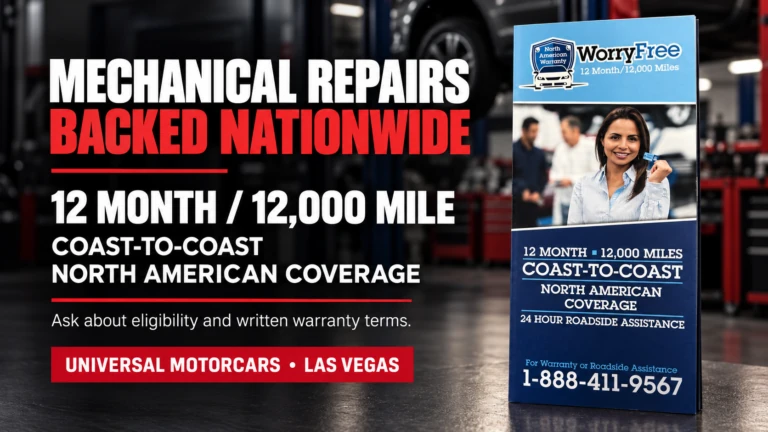
Eligible repairs carry a 12-month/12,000-mile WorryFree North American warranty. Ask which parts and labor qualify and keep the written terms, exclusions and claim instructions supplied with your repair.
Help us plan your visit.
- Year, make, model, engine and mileage.
- When the temperature rises and any warning messages.
- Coolant loss, visible leaks or unusual smells.
- Recent repairs, top-ups and previous test results.
- Whether the vehicle is drivable or needs towing.
A customer’s perspective
Good answers start with checking the car.
Understanding the concern matters as much as naming a part. Our team explains the findings so you can decide what to authorize.

“Their findings were completely different than I first had thought it was.”
September 19, 2026 · Verified customer on SureCritic
From a customer’s general repair experience. Read Universal Motorcars customer reviews ↗
Before your appointment
A few practical questions.
Can I drive it if the temperature goes back down?
A temporary drop does not prove the cause is resolved. Follow your vehicle’s warning instructions and call for guidance before driving again. Steam, an active leak, repeated overheating or abnormal running can make towing the appropriate next step.
Should I just top it up or ask for a coolant flush?
Repeated top-ups need an explanation. Use only the fluid and procedure specified for your vehicle, and never open a hot system. Scheduled coolant maintenance is different from diagnosing coolant loss or overheating; a flush is not a substitute for finding the fault.
Is this the right service for warm air from the vents?
Engine coolant manages engine heat. Cabin A/C uses a separate refrigerant system. They can share airflow or operating conditions, so tell us if both concerns happen together. For warm cabin air, visit car A/C diagnosis and repair. For electric-vehicle thermal concerns, start with Tesla cooling-system service.
Universal Motorcars · Las Vegas
Let’s plan the next step for your car.
Tell us what happened and whether the vehicle is currently overheating. We’ll confirm availability, diagnostic charges and arrival arrangements.
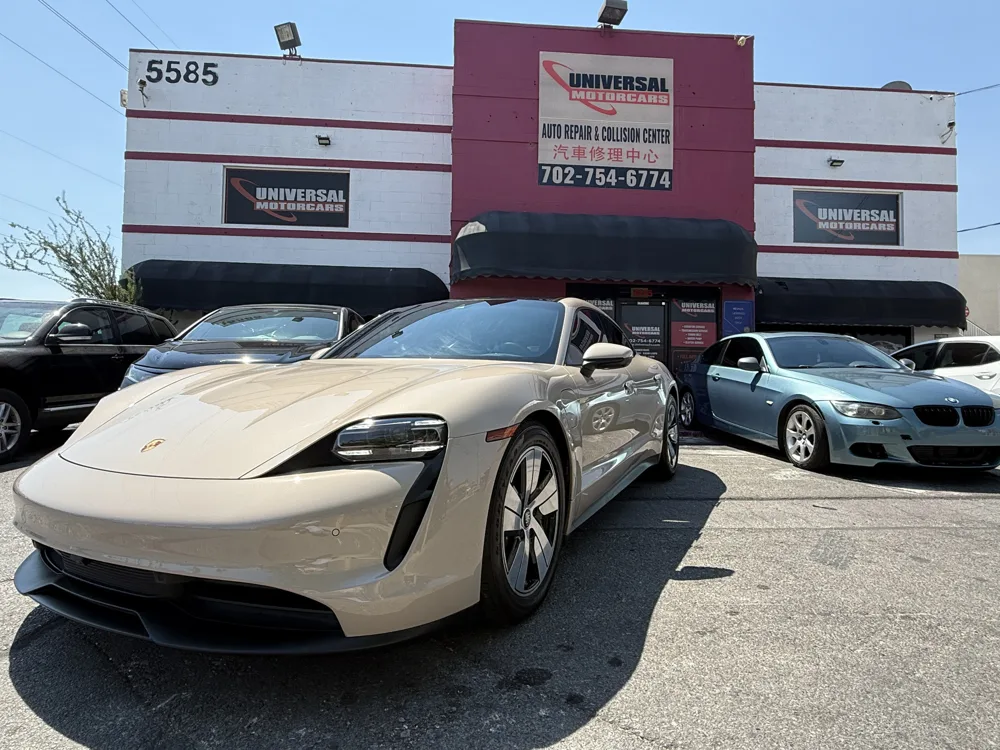
5585 Spring Mountain Rd
Las Vegas, NV 89146
Mon–Fri: 8 AM–6 PM
Saturday: 8 AM–2 PM · Sunday closed
An online request is not a confirmed appointment. If the car is overheating now, stop safely and arrange assistance before making travel plans.
Request a cooling-system inspection.
Include your vehicle, symptoms and recent work. Our team will contact you to confirm the next step.
Prepared by the Universal Motorcars team. Safety guidance checked October 15, 2026. Always follow your vehicle’s owner’s manual. Manufacturer example: Mazda overheating instructions. Manufacturer example: vehicle-specific cooling and internal-leak diagnosis. These examples do not replace procedures for your vehicle.
Spring Mountain · Las Vegas
Let’s talk about your cooling-system concern.
Call 702-754-6774Request an inspection online →
5585 Spring Mountain Rd
Las Vegas, NV 89146