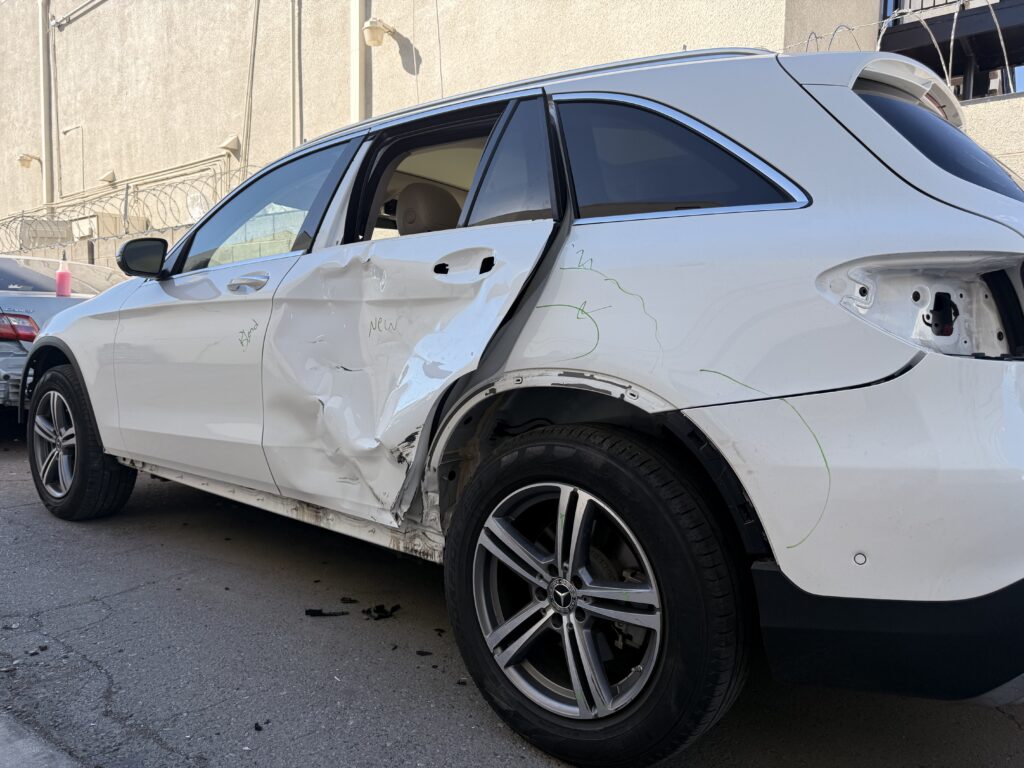
Dented doors
We check the outer panel, gaps and door operation. A sharp crease or a door that catches needs a closer inspection.

Door, fender and quarter-panel repair at Universal Motorcars in Las Vegas. Free preliminary visual estimates at Spring Mountain and Post Road.
Universal Motorcars · Two Las Vegas locations
Dents, deep scrapes or a sideswipe? We inspect the damage, explain your repair options, and help you plan the next step.
Insurance repairs and self-pay welcome at Spring Mountain and Post Road.
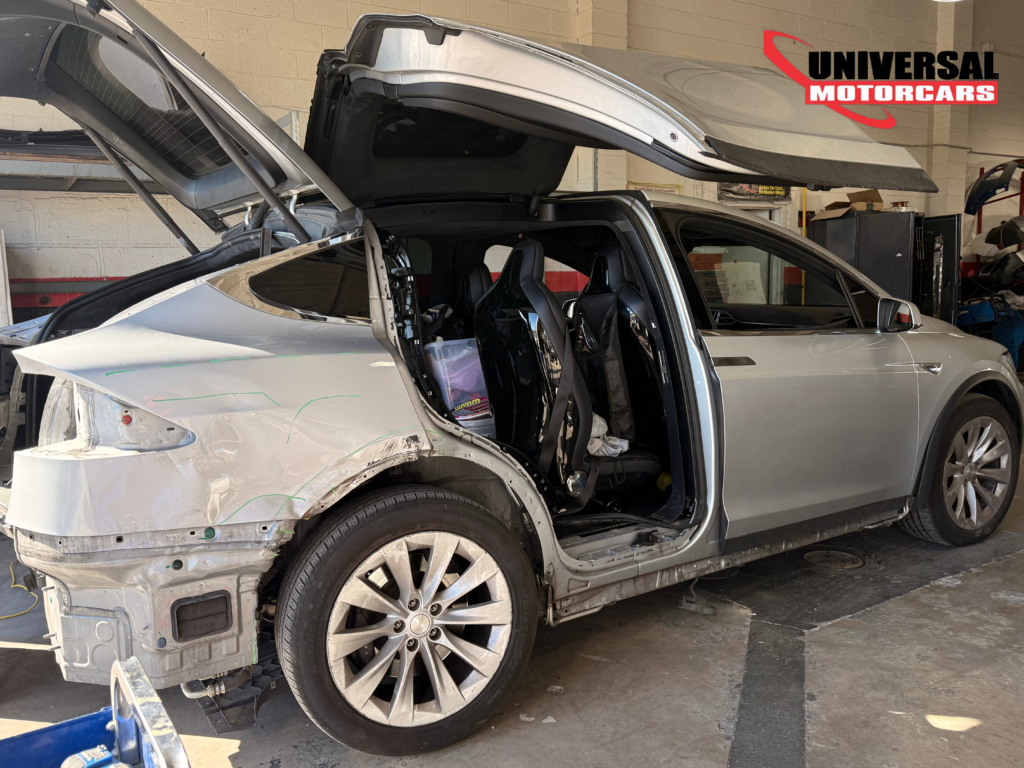
Real vehicles in our shop
We check the outer panel, gaps and door operation. A sharp crease or a door that catches needs a closer inspection.
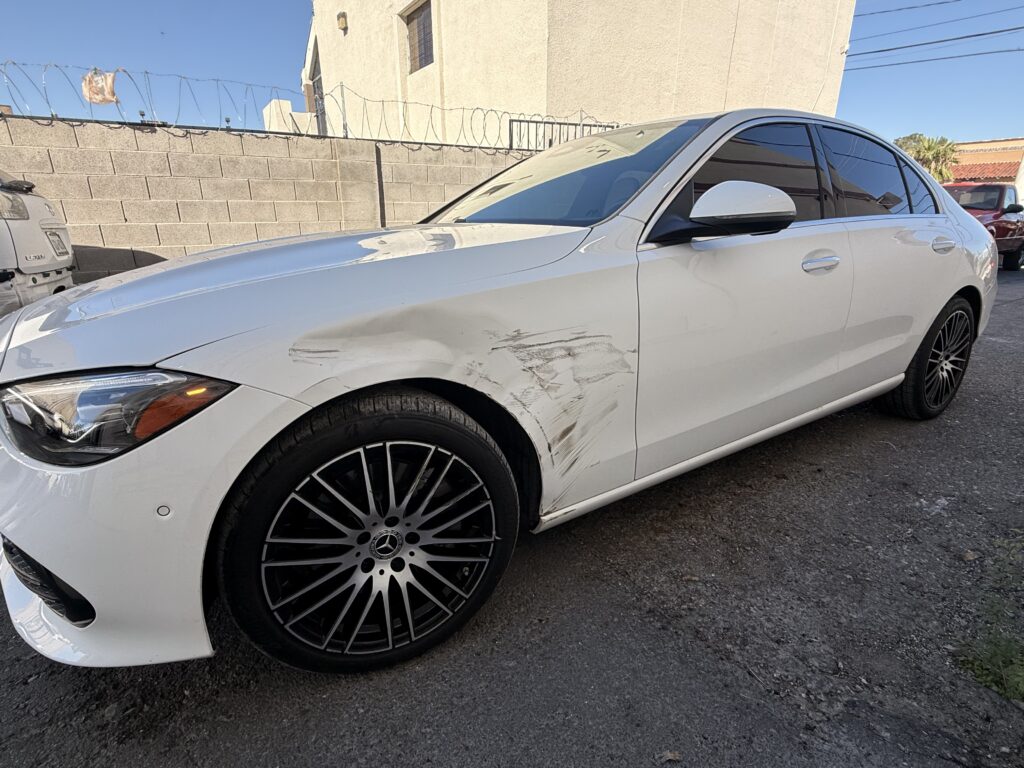
We assess the metal, paint, attachments and wheel clearance. Tell us about rubbing or a new steering pull.
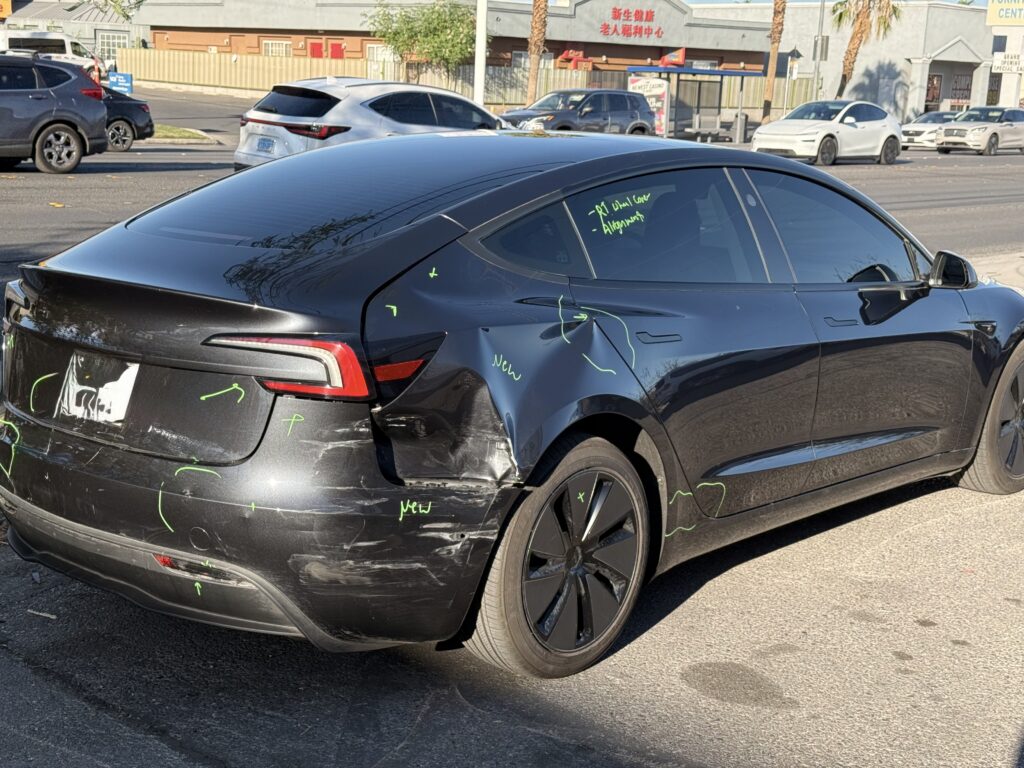
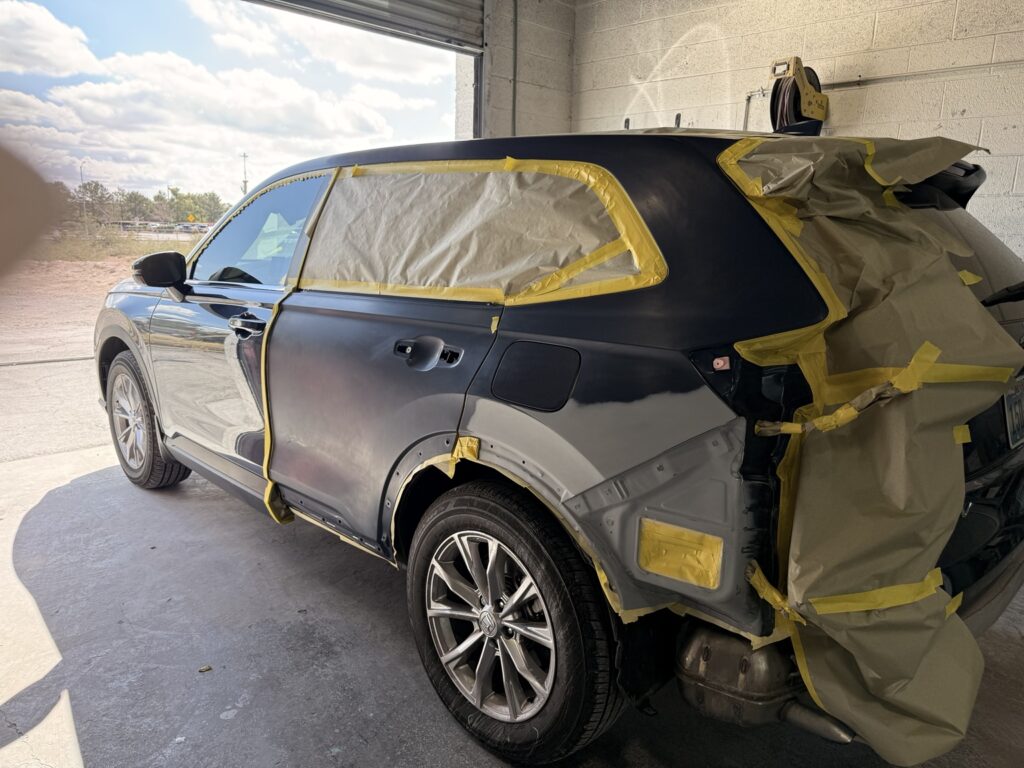
A rear-corner impact can affect both the bumper cover and adjoining metal. Each part needs its own repair decision.
Three possible paths
A dent does not automatically mean a new panel. The damage, material and manufacturer’s repair information guide the decision.
Paintless dent repair may suit an accessible dent when the finish is sound and the material can be reshaped appropriately.
Paint damage, stretched material and difficult access can change that choice.We restore a repairable panel’s shape, prepare the surface and refinish the affected area.
A deep scrape may need paint work even when the panel can be saved.Replacement may be appropriate when damage exceeds repair limits or repair is not practical.
We identify whether the estimate calls for a skin, shell, fender or joined panel.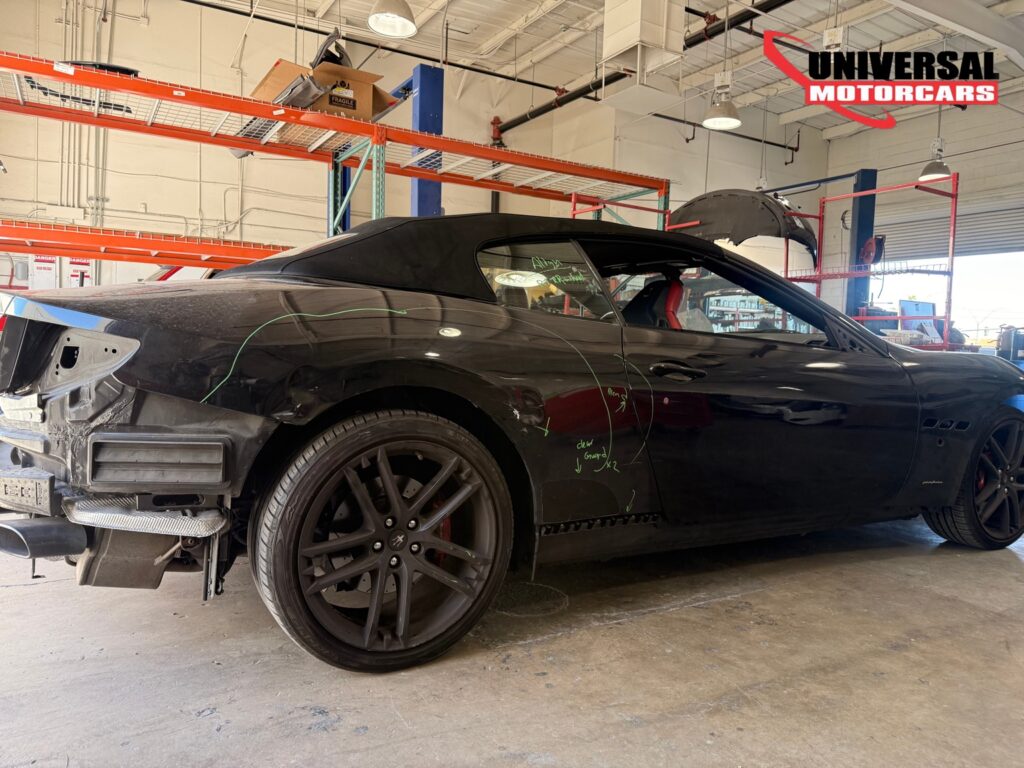
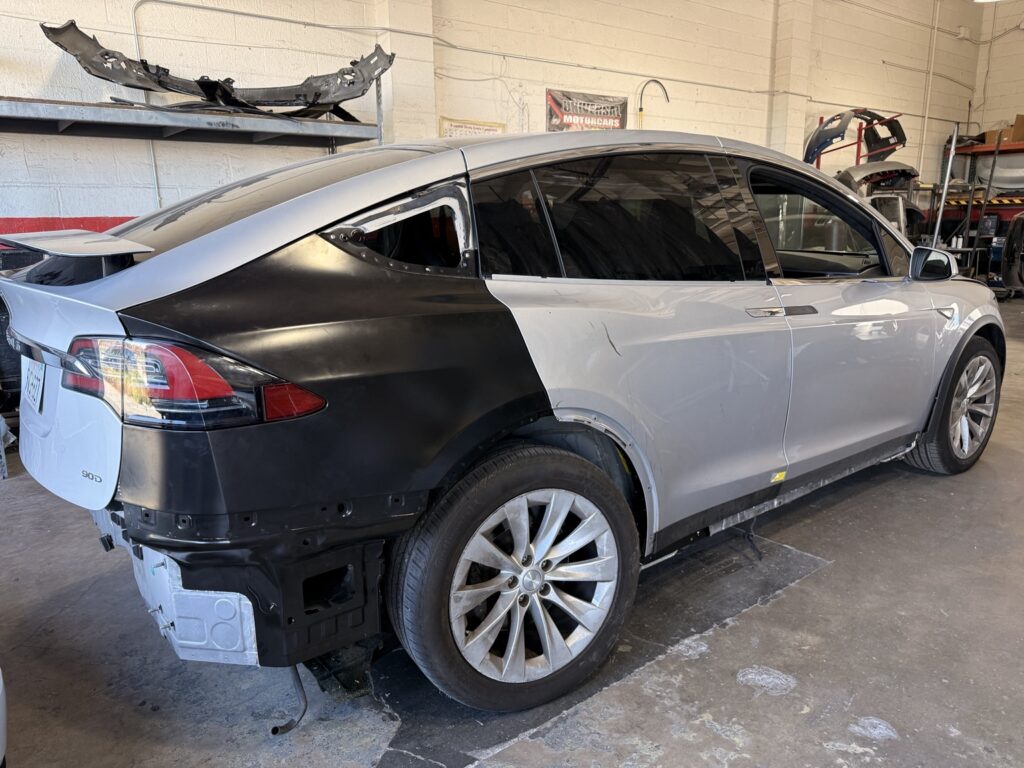
This is the outer panel you see when the door is closed. Replacing the skin may let us keep the inner door structure, if that structure is sound and the manufacturer allows the repair. The new skin still needs fitting, attachment, sealing, corrosion protection and paint.
This is the main body of the door, including its outer panel and inner structure. If the damage goes beyond the skin, a shell replacement may be needed. Glass, handles, wiring and trim may need to be transferred, followed by checks of fit, latching and window operation.
This is the body panel around the rear wheel and beside the rear door or trunk area. Unlike many front fenders, it is usually joined to the body. Replacement can require removing nearby trim or glass, using approved cutting and joining locations, then restoring seam sealing, corrosion protection and paint.
The estimate should tell you which part is involved. A door skin, a door shell and a joined quarter panel involve different work. We explain why repair or replacement makes sense for your vehicle. If damage extends into the structure, we coordinate structural inspection and repair.
Beyond the paint
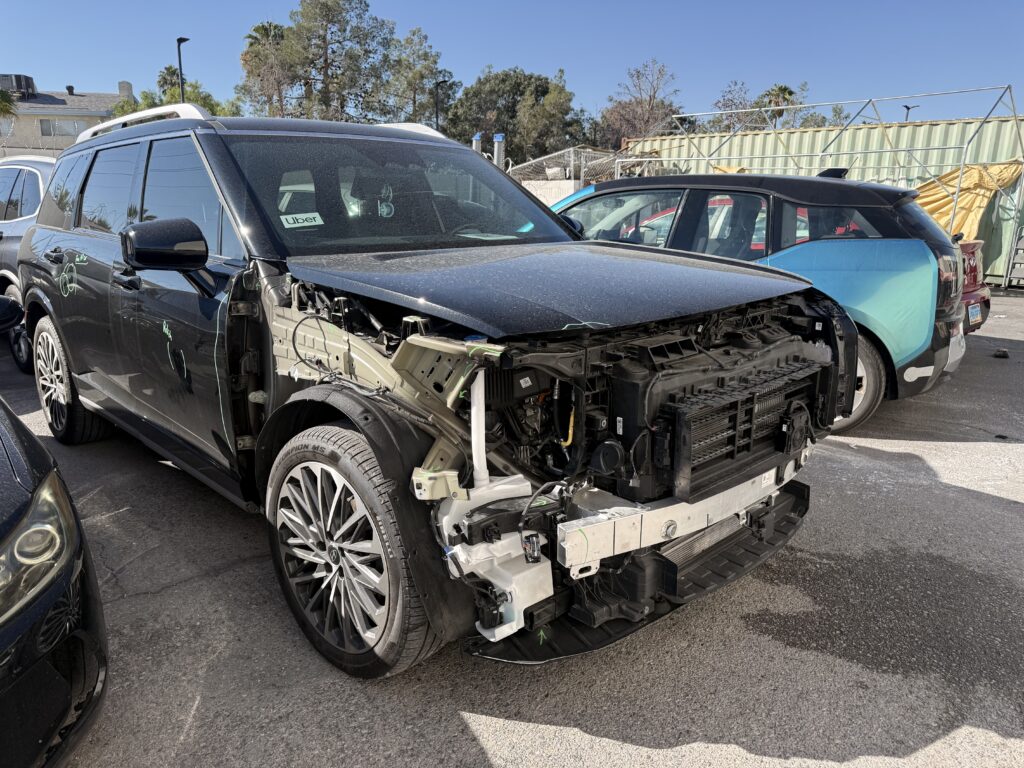
The exterior piece: scratches, cracks, dents and damaged mounting areas.
The vehicle may have an absorber, reinforcement and brackets behind the cover.
Their condition and mounting position may need inspection after an impact.
Does an impact mean calibration? Not automatically. We check the vehicle’s equipment, affected mounts and manufacturer procedures. A diagnostic scan reads fault information; calibration sets or verifies a camera or radar system’s aim or reference settings. One does not replace the other. A warning light is not the only reason to check a system. On some vehicles, repair material or paint thickness in a radar area can also limit bumper-cover repairs. We coordinate the checks the repair requires.
Read more about bumper repair and replacement and camera and sensor calibration at our Post Road facility.
What goes into the estimate
Material, crease depth, paint condition and adjacent panels.
Removing handles, trim or other parts to reach the repair.
Repair versus replacement and the availability of required parts.
Surface preparation, finish type, color checks and blending.
Required scans, alignment, inspections or calibration.
Repair scope, parts delivery, insurer review and final checks.
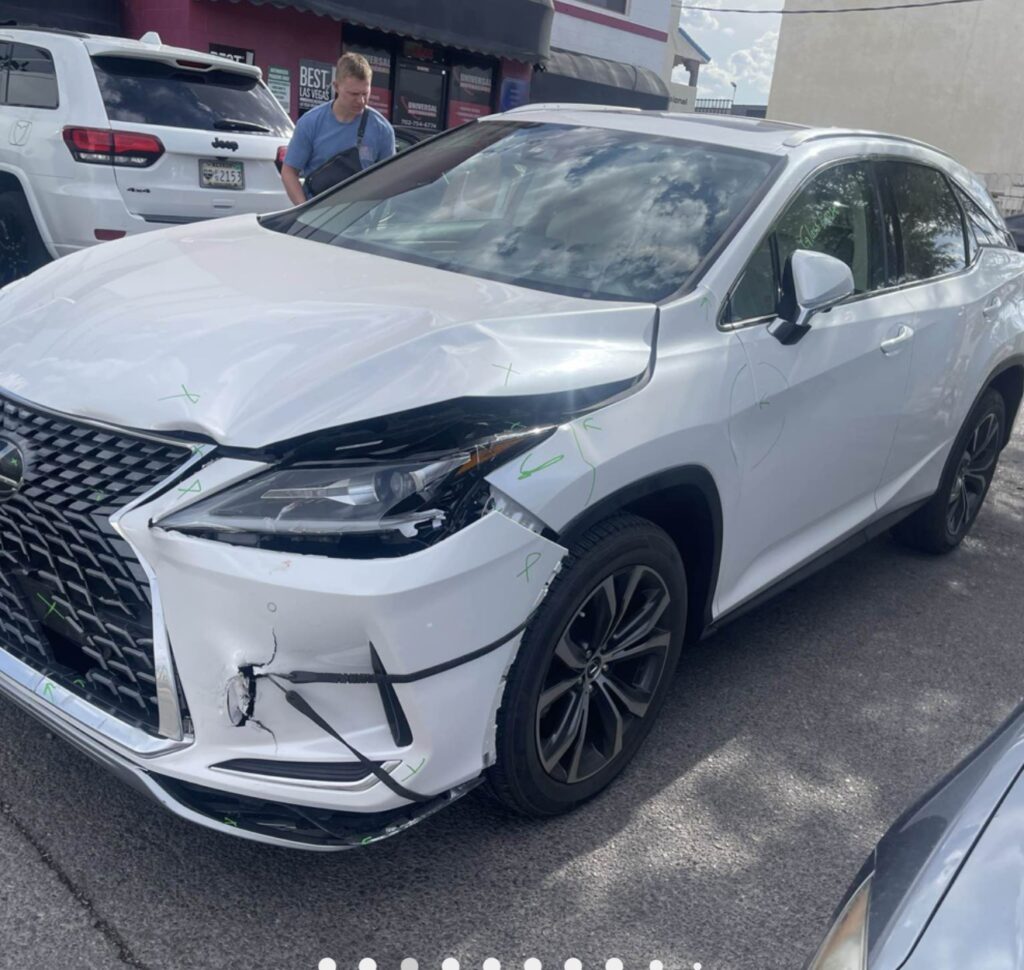
Can this just be buffed out? Sometimes a mark is paint transferred from another surface, or a shallow scratch in the clear coat—the protective top layer. Cleaning and polishing may improve it. Buffing cannot put missing paint back, straighten a dent or fix cracked plastic. We inspect the finish and the panel before recommending what it needs.
Could there be more damage underneath? Yes. The first visual inspection documents accessible damage and flags areas that need a closer look. It cannot rule out damage behind a cover or panel. During repairs you authorize, removing affected parts can expose broken mounts, supports or other damage. We document what we find and explain any changes to the estimate.
Two ways to handle the repair
From first look to pickup
We review the visible damage, listen to your concerns and prepare the preliminary estimate.
We explain the proposed work, payment plan, drop-off and any further inspection needed.
Final checks address panel fit, finish, operation and required vehicle systems. We explain the completed work at pickup.
Will the paint match? We evaluate the existing finish, check color and blend where appropriate. An adjacent panel may need blending without body repair.
Google reviews · Both Las Vegas locations
Read about other drivers’ experiences with our Spring Mountain and Post Road teams.
5585 Spring Mountain Rd · Las Vegas, NV 89146












3570 W Post Rd · Las Vegas, NV 89118










Before you bring the car in
Photos help us understand the visible damage and plan the next step. In person, we can check accessible panel gaps, attachments and how a door opens, closes or latches. Neither a photo nor a walk-around lets us see through a bumper cover or panel. That is why a photo estimate, a shop’s preliminary assessment and a repair plan after authorized disassembly can differ. Our preliminary in-person visual estimate is free. Call your preferred location first; we’ll explain how to share photos if they would help.
Bring the vehicle, its year, make and model, and any insurance estimate or claim number you already have. Tell us how the damage happened, whether the area was repaired before, and about new warning lights, noises, leaks, rubbing or difficulty opening a door. You do not need an insurance estimate to request a self-pay inspection.
No. Opening and closing is one useful observation, but it does not establish the condition of the outer skin, inner door, attachments or surrounding body. Tell us if the door catches, the window acts differently, or there is new wind noise. We inspect the affected area before calling the damage cosmetic.
Yes. Tell us about a new steering pull, vibration, wheel contact, warning message or other change after the impact. Our team can coordinate the appropriate collision and accident-related mechanical assessment, including suspension, alignment and diagnostic needs. Call first if a wheel is rubbing, a door will not latch or the vehicle feels unsafe; we can discuss towing.
This service is performed at our Spring Mountain and Post Road facilities. Mobile cosmetic repair describes work performed at your location; paintless dent repair describes a repair method. They are not the same thing. Call us to arrange an in-person body-damage estimate and confirm the right location for your vehicle.
Because the visible mark is only one part of the job. To repair a crease near a door edge, for example, we may need to remove trim for access, restore the panel’s shape, prepare and refinish it, then refit and check the parts. Paint blending or a damaged mounting point can add work too. Not every small mark needs all of that. Ask us to show you what each operation does and why your car needs it.
The first estimate is based on what can be assessed at that stage. Authorized disassembly can reveal a broken bracket, damaged reinforcement or a panel that cannot be repaired as first expected. The update may also include a required repair step or revised parts information. We explain what changed and document the reason. For insurance repairs, we submit an itemized supplement for review; submission is not approval. We discuss any potential amount you would owe before asking you to authorize that work. Read how repair supplements and additional costs are handled.
Start with the repair assessment and the deductible for the coverage that applies. If the covered repair falls below your own deductible, that coverage generally will not pay toward it. But a preliminary estimate may change when hidden damage is found. Your deductible is a different question from what another driver’s insurer may owe. We explain the repair options; your insurer can explain coverage, reporting requirements and possible policy effects. You can request a self-pay estimate at either location. Our guide to paying directly or using insurance walks through the decision.
Tell us before work starts so the payment arrangement is clear. A promise to pay the first estimate can leave a gap if more damage is found. Discuss who will approve and pay for additional work, and keep the estimate, photos and written messages. We can explain the repair and document new findings, but we cannot guarantee another person will pay. Read what to consider before accepting cash from the other driver.
They may describe different work. One might include repairing a panel; another might replace it. Compare parts, trim removal, paint blending and any required system checks—not just the totals. Also ask what has not been inspected yet. Bring the other estimate with you and we can explain the differences in the proposed work. If you are comparing an insurer’s estimate with a shop assessment, see our guide to comparing insurance and body-shop estimates.
Sometimes the new color needs to transition into the neighboring panel so the change is less noticeable at the gap. That is paint blending; it does not mean that panel needs dent repair or replacement. The paint code is a starting point, and the existing finish still needs checking. We explain which panels are included and why. See why an estimate may include painting an undamaged panel.
That depends on the confirmed damage, parts availability, body and paint work, and any final scans or calibration. Insurance review can affect the schedule too. Labor hours on an estimate are not the same as calendar days until pickup. Ask what can be planned before drop-off and what is still uncertain. We explain the expected sequence and keep you informed when it changes. Our collision repair timing guide explains the common hold-ups.
One Universal Motorcars · Two convenient facilities
Both locations handle passenger-vehicle body and panel repairs, insurance repairs and self-pay work. Call to arrange a free preliminary visual estimate.
Monday–Friday 8 AM–6 PM · Saturday 8 AM–2 PM · Sunday closed.
Call before visiting or arranging a tow. Prefer to write? Send a repair inquiry →