
A good mechanic does not need to put your vehicle on a lift to start forming useful observations. Before the hood is opened or a diagnostic scanner is connected, an experienced technician can learn a surprising amount from the way your car arrives at the shop.
Your vehicle’s stance, sounds, braking behavior, exhaust, tire condition, fluid leaks, and even the way you describe the problem can provide important clues. These early observations help technicians decide where to look first and whether a problem may involve one component or several connected systems.
For Las Vegas drivers, these details can be especially revealing. Extreme temperatures, heavy traffic, long commutes, dust, rough pavement, and frequent stop-and-go driving can place additional stress on tires, brakes, suspension components, cooling systems, batteries, and drivetrains.
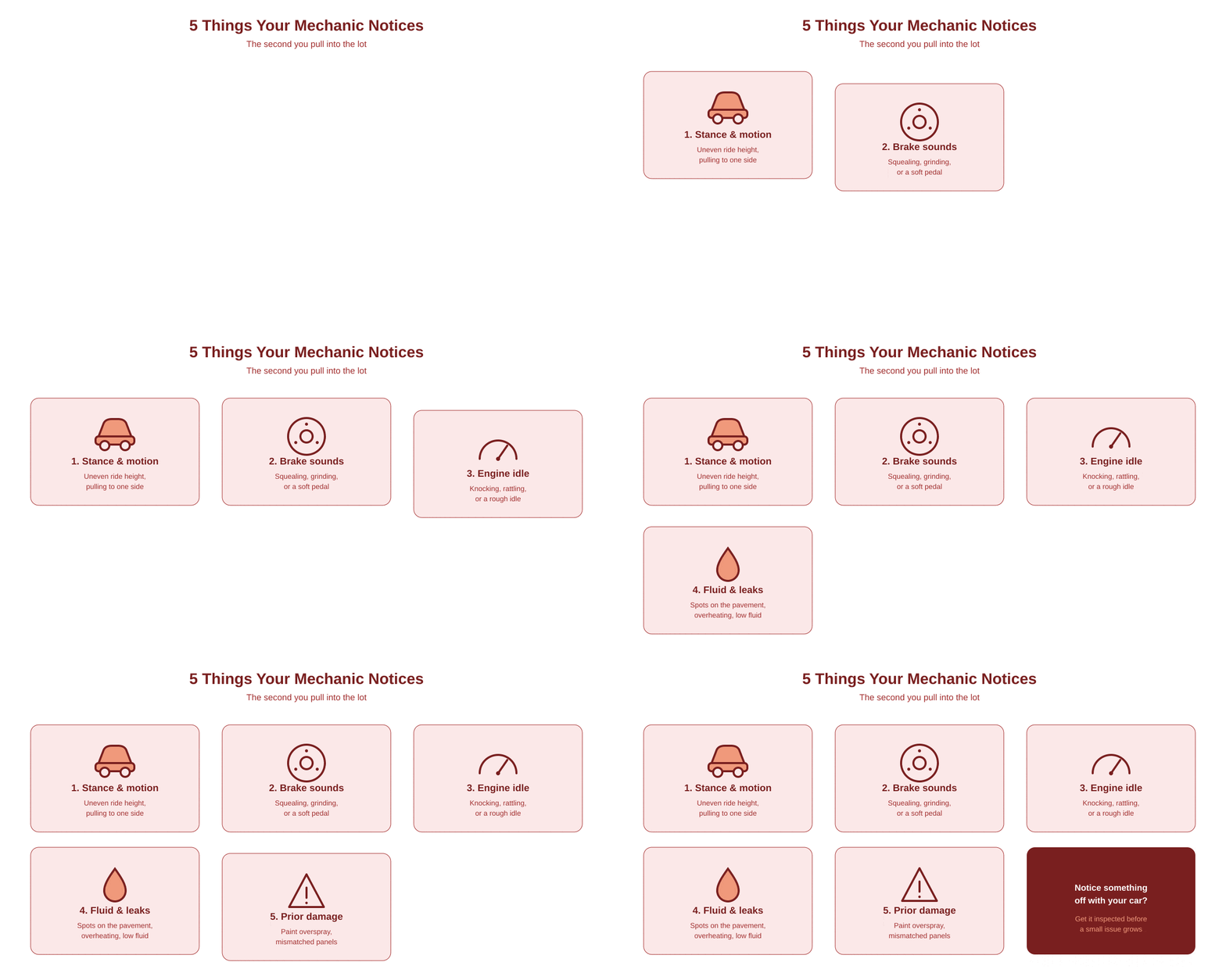
Here are five things an experienced mechanic may notice almost immediately when you pull into the lot.
1. How the Vehicle Sits and Moves
One of the first things a technician may notice is whether the vehicle sits evenly on all four corners. If one side appears lower than the other, it can point toward a worn spring, damaged suspension component, leaking air suspension, or another issue affecting ride height.
The vehicle’s movement can reveal even more. Excessive bouncing after entering the lot, noticeable nose-diving during braking, or a body that continues rocking after stopping may indicate worn shocks or struts. A car that pulls to one side can also suggest problems involving alignment, steering, tire pressure, or suspension components.
Uneven tire wear is another major clue. Feathering, cupping, excessive wear on one edge, or inconsistent tread patterns can tell a technician that the tires may be reacting to an underlying mechanical problem rather than simply needing replacement.
This is why a visual inspection is valuable before replacing parts. A worn tire may be the symptom, not the actual cause. Problems with suspension geometry, wheel alignment, steering components, or wheel bearings can all contribute to abnormal tire wear.
If your vehicle feels unstable, bounces excessively, or pulls while driving, a professional car suspension repair service can help identify whether the problem is related to shocks, struts, bushings, springs, or other suspension components.
2. What Your Brakes Sound Like
Your mechanic is also listening before the inspection officially begins.
A squeal when you stop, grinding noise, clicking sound, or vibration through the steering wheel can provide an immediate clue about the condition of the braking system. Even the way the vehicle slows down can be informative.
For example, a brake pedal that feels unusually soft may indicate a hydraulic issue or another brake-system concern. A vehicle that pulls during braking can point toward uneven braking force, a sticking component, tire problems, or suspension and alignment concerns.
Technicians also pay attention to how quickly the vehicle stops and whether the brake pedal requires more pressure than expected. These details matter because braking problems can progress gradually. Drivers sometimes adapt to declining brake performance without realizing how much stopping ability has changed.
Brake dust can also provide useful information. While some dust is normal, unusual buildup on one wheel compared with the others can suggest that a brake component is not operating correctly.
A proper inspection can include brake pads, rotors, calipers, brake fluid, hoses, and related components. If you notice squealing, grinding, pulsation, or reduced stopping performance, professional auto brake repair in Las Vegas can determine whether the issue requires maintenance or immediate repair.
3. How the Engine Sounds at Idle
The moment your vehicle enters the lot, the engine can tell a story.
Experienced technicians listen for unusual rattling, knocking, ticking, tapping, whining, hissing, or irregular idle behavior. They may also notice whether the engine sounds smooth or appears to be struggling to maintain a consistent idle.
An engine that shakes noticeably at idle could have several possible causes, including ignition problems, vacuum leaks, fuel-delivery issues, worn engine mounts, or other mechanical concerns. A high or fluctuating idle may also provide a diagnostic clue.
The exhaust can offer additional information. Excessive smoke, unusual exhaust odor, or changes in exhaust sound may indicate combustion, emissions, fuel-system, or engine-related problems. None of these observations alone automatically identifies a failed component, but they help narrow the diagnostic process.
Technicians may also listen when you accelerate, reverse, or turn the vehicle off. A noise that appears only under load can mean something very different from a noise that occurs only at idle.
That is why describing exactly when a sound occurs is helpful. Instead of simply saying, “It makes a noise,” tell the technician whether it happens during cold starts, acceleration, braking, turning, idling, or highway driving.
If your engine is making unfamiliar noises, losing power, running roughly, or showing persistent performance problems, an inspection from a professional auto engine repair specialist can help determine whether the cause is mechanical, electrical, fuel-related, or electronic.
4. Signs of Leaks, Overheating, or Fluid Problems
A mechanic may also look underneath your vehicle almost immediately. Fresh spots on the pavement can provide valuable information before the car even enters the service bay.
Different fluids can indicate different problems. Engine oil, transmission fluid, coolant, brake fluid, and other automotive fluids have different colors, textures, and locations when they leak. However, fluid appearance alone is not enough to identify the source, because dirt, age, and pavement conditions can change what a leak looks like.
Technicians may also check for signs of overheating or cooling-system stress. A strong coolant smell, visible residue around hoses or components, steam, or an unusually hot engine compartment can indicate that further inspection is necessary.
This is particularly important in Las Vegas, where extreme summer temperatures can increase thermal stress on cooling systems and other under-hood components. A vehicle that appears to drive normally can still have a developing fluid leak or cooling problem.
Transmission behavior can provide another clue. Delayed engagement, rough shifting, slipping, unusual noises, or fluid leakage may point toward drivetrain problems. Catching these symptoms early can sometimes prevent a relatively manageable issue from developing into extensive internal damage.
If you notice fluid underneath your car or experience hesitation, slipping, rough shifting, or unusual transmission noises, a professional transmission repair service in Las Vegas can evaluate the system and determine the appropriate repair.
5. Evidence of Previous Damage or Poor Repairs
The fifth thing a skilled technician may notice is what happened to the vehicle before it arrived.
Paint overspray, inconsistent panel gaps, mismatched paint shades, uneven bumper alignment, unusual fasteners, or panels that do not sit correctly can indicate previous bodywork. These clues can be important because an older accident may have affected components that are not immediately visible.
A vehicle can look perfectly acceptable from several feet away while still having structural, suspension, alignment, or safety-related concerns underneath. This is especially relevant after a collision because modern vehicles contain sensors, cameras, electronic systems, and structural components that may require precise inspection.
Technicians may also look for evidence that a previous repair addressed the visible damage but did not fully resolve the underlying problem. For example, uneven tire wear after an accident could indicate an unresolved alignment or suspension issue.
Modern collision repair often involves much more than replacing a damaged panel and matching the paint. Structural measurements, safety-system inspections, sensor checks, refinishing procedures, and proper panel fit can all matter.
If your vehicle has recently been involved in an accident, a professional auto collision repair and body paint service can help identify visible and less obvious damage before repairs are completed.
What Your Mechanic Notices Can Save You From
Those first few observations can help a technician build a diagnostic picture before performing detailed testing. More importantly, they can reveal connections between problems that drivers may consider unrelated.
A vibration might involve suspension or wheel components. Uneven tire wear may point toward alignment issues. A fluid leak could explain shifting problems. A strange engine noise might be connected to another mechanical issue rather than the component making the sound.
This is why a professional inspection should focus on finding the cause rather than simply replacing the part associated with the most obvious symptom.
When you bring your vehicle to a repair shop, be prepared to explain when the problem started, whether it happens when the engine is cold or warm, what driving conditions trigger it, and whether you have noticed warning lights, leaks, noises, smells, or changes in handling.
The more accurately you describe what you have experienced, the more useful those first observations become.
For Las Vegas drivers, choosing a repair facility that handles both mechanical and collision-related concerns can also make diagnosis easier when symptoms overlap. Universal Motorcars provides mechanical and collision services for cars, SUVs, trucks, and other vehicles, with technicians using diagnostic equipment and inspection procedures to identify repair needs.
Frequently Asked Questions
Can a mechanic really diagnose a car problem before inspecting it?
A mechanic generally cannot make a complete diagnosis just by watching a vehicle arrive. However, the vehicle’s sounds, stance, tire condition, braking behavior, leaks, and visible damage can provide valuable preliminary clues that help guide the inspection.
What should I tell my mechanic about a strange car noise?
Describe when the noise occurs and what you are doing when you hear it. Mention whether it happens during starting, idling, acceleration, braking, turning, reversing, or driving over bumps. Also explain whether the noise changes as vehicle speed or engine RPM changes.
Why does my mechanic inspect things that seem unrelated to my complaint?
Vehicle systems are interconnected. A vibration, for example, may involve tires, suspension, steering, brakes, or wheel components. Checking related systems helps prevent a technician from treating only the symptom while overlooking the underlying cause.
Should I get my vehicle inspected even if it still drives normally?
Yes, particularly if you have noticed a new noise, vibration, warning light, fluid leak, unusual tire wear, braking change, or handling problem. Vehicles can continue operating while a component is gradually deteriorating, and identifying problems earlier can help prevent more extensive damage.