
You’ve been handed a repair estimate. There are parts on it you’ve never heard of, a diagnostic charge, and a total you weren’t expecting. Before you say yes, you want to know: does the car really need all of this?
Start with three things: what the shop found, how it reached that conclusion, and exactly what you’re authorizing. You don’t need to become a mechanic to make a good decision. You do need an explanation that makes sense.
Here’s how to have that conversation, whether you’re choosing a repair shop in Las Vegas or trying to understand an estimate you already have.
What does the diagnostic charge actually buy?
Ask this before leaving the keys. Is the charge for a basic inspection, a set amount of testing, or a particular procedure? What happens if the problem needs more time? Is any of that fee credited toward the repair?
Shops handle those charges differently. A free code read and a paid diagnosis aren’t necessarily the same service. The FTC’s auto repair guidance recommends asking about diagnostic charges before having work performed.
A trouble code tells the technician what the vehicle’s computer detected. It can point toward a system, circuit or operating problem. It doesn’t always tell us which part caused it.
That’s why the next step may involve checking wiring, reviewing live data, inspecting a component or following the manufacturer’s test procedure. A code printout is useful information. The important question is what the testing showed beyond that printout.
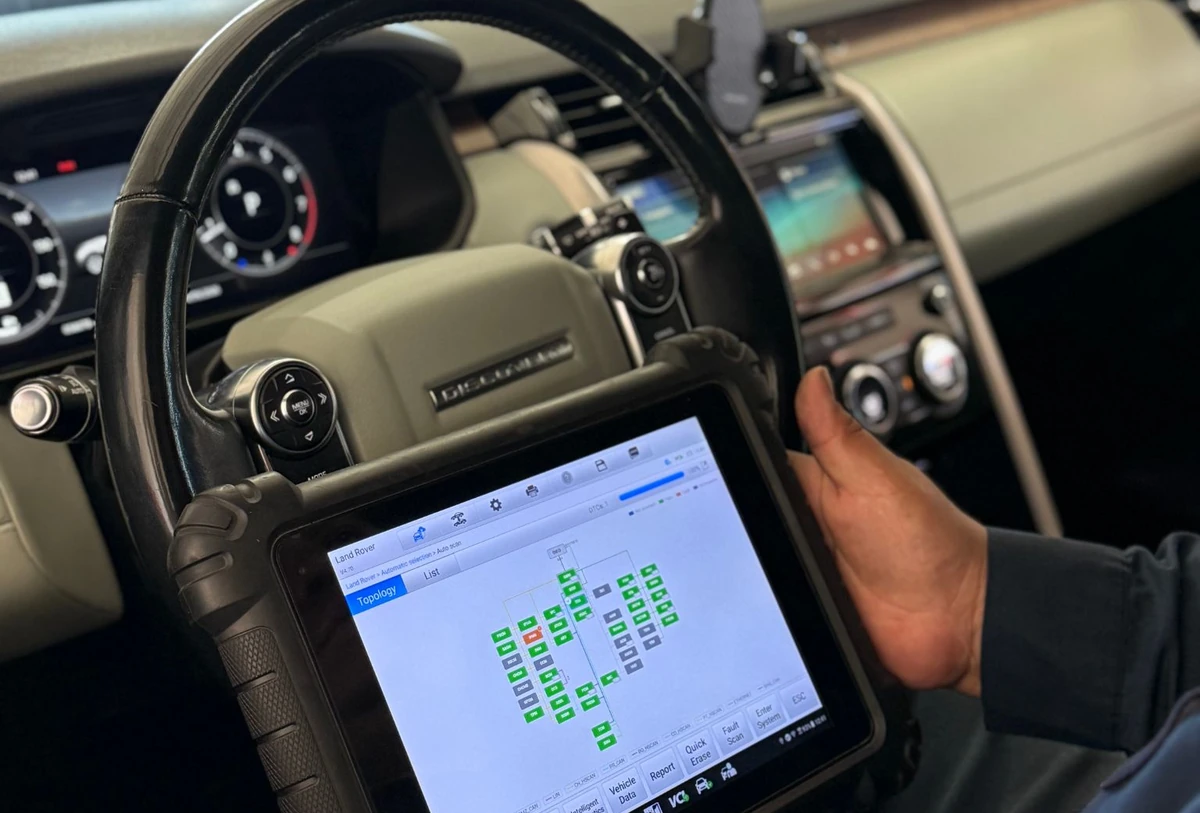
Sometimes the first round of testing rules things out without settling the answer. An intermittent problem may not happen during the appointment. That’s a reason to discuss the next step, its cost and what it could establish—not to start replacing parts without an explanation.
A useful question is: “What have you confirmed, and what still needs testing?”
Compare the work on two estimates before comparing the totals
Two shops can look at the same car and quote different amounts because they’re quoting different work. The lower number might be a better price. It might also leave out something the other estimate includes.
A simple example: one brake estimate lists pads. Another lists pads, rotors and a wear sensor. That doesn’t prove either estimate is right. Ask what was inspected or measured, why each item is recommended, and whether the sensor applies to your vehicle. Then compare estimates for the same necessary work.
Our brake inspection and repair page explains more about those concerns. The same comparison applies to an engine leak, a suspension noise or an A/C repair.
| Estimate item | What to compare |
|---|---|
| Diagnosis | Has the cause been confirmed, or is this a price based on a suspected problem? What testing is included? |
| Parts | Which brand and part number? New, remanufactured or used? Are both estimates quoting the same choice? |
| Labor and related work | Does the price include the fluids, hardware, programming, alignment or other steps this particular repair requires? |
| Other charges | Are taxes and applicable fees included? What would require another approval? |
| After the repair | What checks are included, and what written parts-and-labor warranty applies? |
Bring the complete estimate if you’d like us to review it. A total in a text message leaves out the information needed for a fair comparison. We may still need to inspect the car before confirming a recommendation of our own.
Ask about your vehicle and your problem
“Do you work on my brand?” is a start. Your model year, engine or powertrain, symptoms and repair history make the conversation much more useful.
Tell the shop when the problem happens. Only on the first start? After the car has been driven for a while? While braking or turning? If you safely recorded a noise or warning message while parked, bring that too. These details can help the technician try to reproduce the concern.
Universal’s mechanical repair services at Spring Mountain include diagnostics, brakes, suspension and steering concerns, A/C, cooling systems, engine and transmission repairs, and maintenance. You don’t have to identify the failed part before calling. Describe what the car is doing.
For example, weak cabin cooling belongs in an A/C diagnosis; a rising engine-temperature gauge calls for a cooling-system assessment. Giving us the symptom is more useful than booking a component replacement because someone guessed at the cause.
For a hybrid or EV, include the exact model and concern when you call. We provide supported hybrid/EV work, including Tesla mechanical services, and confirm whether the particular job is within our scope. Routine mechanical work and a high-voltage battery problem are different conversations.
Which parts are being quoted—and why?
“Replacement part” isn’t much of a description. Ask for the brand, whether it’s new, remanufactured or used, and why that option fits the repair.
OEM means original equipment manufacturer. Aftermarket parts come from other manufacturers. A remanufactured assembly has been rebuilt; a used assembly has previously been in service. Those labels alone don’t tell you everything about fit, specifications, condition or warranty.
If there’s a choice, ask the shop to explain the practical difference for your car. Is the less expensive option suitable? Is a particular part needed to follow the vehicle’s repair procedure? Will the choice change the warranty or the time needed to get the car back?
Those questions matter especially when comparing engine repair options or a transmission repair or replacement. Get the proposed assembly and associated work identified before authorizing a large job.
Know what you’re approving—and what can wait
A repair estimate can include the problem you came in for, another issue found during the inspection, and maintenance that’s coming due. Ask the shop to separate them.
What needs attention now? What can be planned for later? What could happen if you wait? If your budget won’t cover everything, say so. That gives the team a chance to explain priorities and limitations instead of leaving you to guess.
Whether a car is safe to drive depends on the actual findings. A shop shouldn’t tell you that an uninspected brake, steering or overheating concern is harmless just to make the conversation easier.
Put the agreement in writing. Nevada generally requires a written estimate for repairs over $50, unless the customer executes the permitted written waiver. A diagnostic estimate must account for diagnosis, disassembly and reassembly if repairs aren’t authorized; the law doesn’t require unsafe reassembly. Additional-charge notification and authorization rules also apply. Read the authorization before signing and agree on when the shop will contact you. See Nevada’s automotive repair provisions.
If more work becomes necessary, you should understand what changed before deciding whether to go ahead. A revised recommendation needs an explanation, not just a larger number.
A repair warranty should mean something you can actually use
A warranty headline is only the starting point. Ask which parts and labor qualify, what’s excluded, and whom to contact if a problem develops. If you’re out of town, find out how service is arranged before assuming another shop can bill the warranty provider.
Universal’s mechanical repair warranty: eligible mechanical repairs carry a 1-year/12,000-mile warranty. Ask our team for the written terms that apply to your repair, including covered work, exclusions and the process for obtaining service. Keep those terms with your invoice.
If the same symptom returns, contact the shop and explain when it came back. A symptom can have more than one cause, so the vehicle may need to be checked before anyone can tell you whether the new concern is covered.
Have an extended warranty? Tell us before work starts
What’s commonly called an extended warranty is often a separately purchased service contract. The administrator reviews claims under that contract; the repair shop documents what it finds.
Universal helps with extended-warranty repair claim coordination, including communicating with administrators and providing findings. That can take some of the back-and-forth off your plate, but it doesn’t mean every repair will be approved.
Bring the contract or agreement number and administrator’s contact details. Before testing or teardown, clarify any preauthorization requirements and who pays if the finding isn’t covered. Deductibles, labor allowances, parts requirements and excluded work can affect your share of the bill. The FTC’s service-contract guidance explains why these details matter.
Waiting for an administrator’s decision is different from waiting for a technician to finish a repair. Ask which stage the car is in and what’s needed next.
When is a second opinion worth getting?
It can be worthwhile when the repair is expensive, the explanation is unclear, or a previous repair hasn’t resolved the complaint. You’re allowed to ask questions without accusing anyone of doing something wrong.
Bring the first estimate, diagnostic findings, recent invoices and any warranty information. Be prepared for the second shop to charge for its own testing. It’s being asked to stand behind a conclusion, not simply agree with another shop’s parts list.
For the most useful review, ask: “Does this recommendation fit the findings, and is there anything else we need to establish before doing it?” The goal is a better-informed decision. A second opinion won’t always mean a lower bill.
Get an update plan, not a pickup promise based on a guess
There’s a difference between an inspection appointment, a diagnosis and a completion date. Parts availability, additional findings or a service-contract review can change the timing.
Before leaving, agree on the next update: who will contact you, which number to use, and whether the next call should bring test results, an estimate or a progress report. If the plan changes, you need to know what caused the delay and what happens next.
When you collect the car, review the final invoice. Ask what was repaired, how the original concern was checked afterward, and whether anything remains to be monitored or scheduled.
What to look at when considering Universal
At our Spring Mountain shop, you can bring us the symptom, an existing estimate or a question about a recommended repair. Our mechanical team can inspect the vehicle, explain the findings and discuss the work needed. Having diagnostics and a range of mechanical services in one place is useful when the cause isn’t obvious at drop-off.
Specific things you can check: our team includes ASE-certified technicians, and Universal received Silver in Auto Repairs in the 2025 Best of Las Vegas awards. You can also read our customer reviews on SureCritic, which showed 4.9/5 from 522 reviews when checked October 29, 2026.
ASE certification involves testing and relevant experience. Credentials and reviews are useful starting points. The conversation about your own car still matters: the team should be able to explain the recommendation, the price and the next step.
Bring the estimate. Bring the questions.
Call Universal Motorcars at Spring Mountain with your vehicle’s year, make, model, mileage and what’s happening. If you already have an estimate or a service contract, let us know so we can explain what to bring and arrange the right next step.
Call Spring Mountain · 702-754-6774
Universal Motorcars — Spring Mountain
5585 Spring Mountain Rd, Las Vegas, NV 89146
Location, directions and visit information
Further reading: FTC: Auto Repair Basics · FTC: Warranties and Service Contracts · Nevada repair-estimate requirements · California BAR diagnostic reference (technical reference; Nevada rules apply here).