
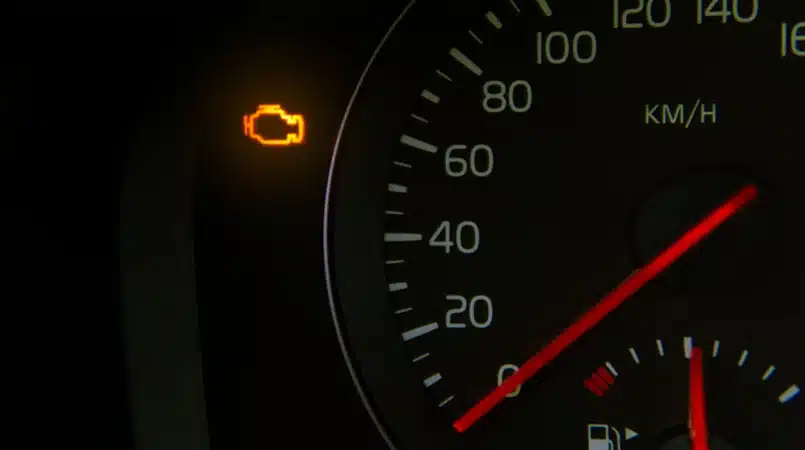
A check-engine light that stays on while the engine runs means the vehicle has detected a problem that needs investigation. It does not, by itself, mean you need a replacement engine, a new sensor or a tune-up. The useful question is: what caused the warning, and what evidence supports the repair?
At Universal Motorcars on Spring Mountain, we help you work through that decision with check-engine-light diagnosis. See what the appointment involves, how diagnostic charges are agreed and how to request a visit. Tell us what changed, even if the car still feels normal.
Flashing light or serious symptoms? A flashing check-engine light can indicate a misfire that may damage the catalytic converter. Ease off the accelerator, pull over safely and seek guidance. If flashing continues or the engine shakes severely, stop safely and arrange assistance. If an oil-pressure or overheating warning appears, stop safely, switch the engine off and arrange assistance. Follow your vehicle’s warning instructions. Our steady-versus-flashing check-engine-light guide explains the immediate decisions in more detail.
Why a trouble code is only the beginning
A diagnostic code records a condition the vehicle detected. Reading it gives the technician a starting point; testing establishes why that condition occurred.
For example, a cylinder-misfire code does not automatically identify a bad ignition coil. Depending on the vehicle, the investigation may involve a spark plug, fuel delivery, an electrical connection or the cylinder’s ability to build compression. Those possibilities lead to different repairs.
This distinction appears in manufacturer guidance. A Volkswagen misfire diagnostic bulletin for specified gasoline models calls for diagnosis before replacing components and cautions against replacing several parts for one misfiring cylinder. Your vehicle needs its own applicable procedures.
Possible causes—and the clues worth mentioning
The warning appeared after refueling
On a vehicle with a removable fuel cap, a loose or missing cap can trigger an emissions warning. Follow the owner’s manual to check it. Some vehicles have capless fillers, so “tighten the gas cap” is not universal advice. Timing after a fill-up is useful information, but it does not prove the cap is responsible.
The engine shakes, hesitates or runs unevenly
Misfires can have ignition, fuel or mechanical causes. Note whether the problem occurs during a cold start, after warming up, while idling or under acceleration. Describe what happens without trying to reproduce a dangerous symptom.
There were recent starting or electrical problems
Mention a jump-start, slow cranking, battery replacement or other warning messages. Connections and wiring can matter to engine diagnosis; those details help determine whether battery and electrical testing belongs in the investigation. They do not establish that a new battery will fix the light.
The light is on, but the car feels normal
Some emissions-related faults do not produce an obvious change in how the car drives. Arrange diagnosis rather than waiting for shaking or stalling. A steady light is not a measure of repair cost, and Las Vegas weather alone cannot identify the failed part.
Will a tune-up fix it?
It can help when the identified problem involves a service item that needs attention. It is not a general treatment for every warning light.
Vehicle-specific tune-up and spark-plug maintenance follows the engine’s service requirements, mileage and history. Diagnosing a new fault answers a different question. If both maintenance and a repair are recommended, ask which work addresses the warning and which is due separately. A spark-plug interval alone does not establish that every ignition coil needs replacing.
What should the diagnostic visit establish?
The goal is a recommendation you can understand—not just a printout of codes. Before inspection, confirm the initial diagnostic scope and charge. After testing, useful questions include:
- What was found, and how does it explain my symptom or warning?
- Is the cause confirmed, or is another test needed?
- What does the proposed repair include, and how will its result be checked?
- What would additional testing cost, and when should I expect an update?
Access to components, an intermittent fault, the testing needed and parts availability can affect cost and timing. At Universal, we explain the findings and estimate before you authorize repairs. Bring an earlier diagnostic report or estimate if you want help understanding another recommendation.
What if the light appeared after an accident or repair?
Tell us when it first appeared, what work was done and whether it was present beforehand. The timing is relevant, but it does not prove the cause. Inspection needs to establish the connection.
Collision and auto body repair are central to Universal Motorcars. Our Spring Mountain location also handles mechanical concerns, so mention both accident damage and running problems when arranging your visit.
Arrange a check-engine-light inspection at Spring Mountain
Tell us your year, make, model, mileage and symptoms. We’ll confirm availability and diagnostic charges. An online request is confirmed by the shop. Find us at 5585 Spring Mountain Rd, Las Vegas, NV 89146.
Keep existing codes and reports for the visit. Clearing a code does not repair its cause; it can also reset emissions-test readiness. See the Nevada DMV’s OBD guidance if a smog test is approaching.
Technical references: Ford warning-lamp guidance, Honda’s capless-filler example and EPA’s explanation of OBD diagnosis. Use the owner’s manual and service information for your exact vehicle.